Dignity Memorial, a network of funeral homes, cemeteries, cremation providers, and memorial service professionals.
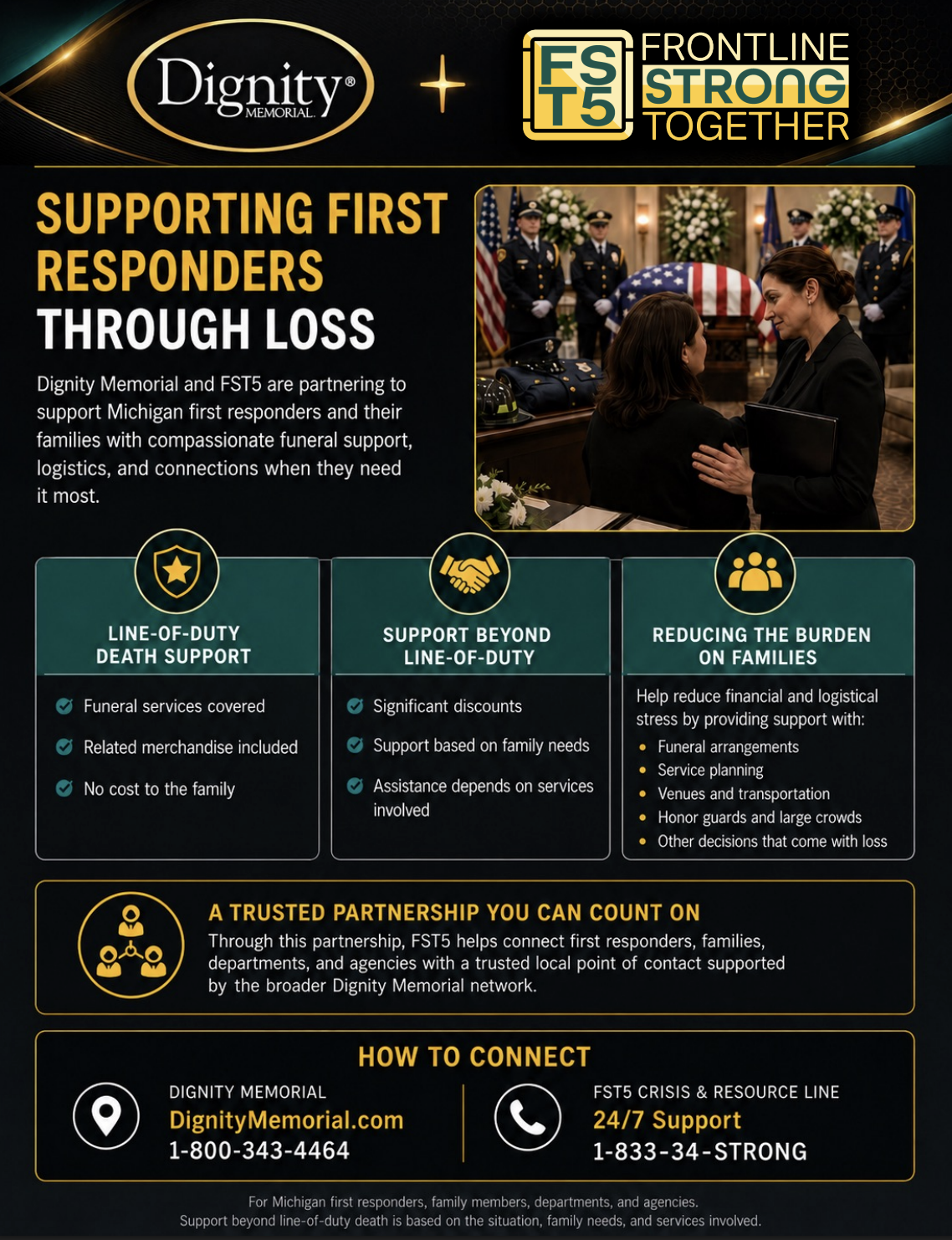
Dignity Memorial, a network of funeral homes, cemeteries, cremation providers, and memorial service professionals.
A lot of first responders hesitate to call because they don’t know what happens next. Here’s what you can actually expect.
Who answers the phone The FST5 line is staffed by first responders with at least 10 years in the field. They understand the culture, the job, and the weight that comes with it. You won’t have to explain yourself.
You stay in control You decide what you share and how far the conversation goes. Nothing is set in motion without you. You can start, stop, or step back at any point.
Your privacy is fully protected Nothing is reported to your department. The State of Michigan cannot see who calls. Your anonymity is protected from start to finish — no exceptions.
No reason is too small Bad shift. Trouble at home. Financial stress. Just needing someone to listen. There is no wrong reason to call. Family members can call too.
You won’t be handed off and forgotten FST5 stays with you through the process — connecting you with resources, clinicians, and support every step of the way.
1-833-34-STRONG (1-833-347-8766)
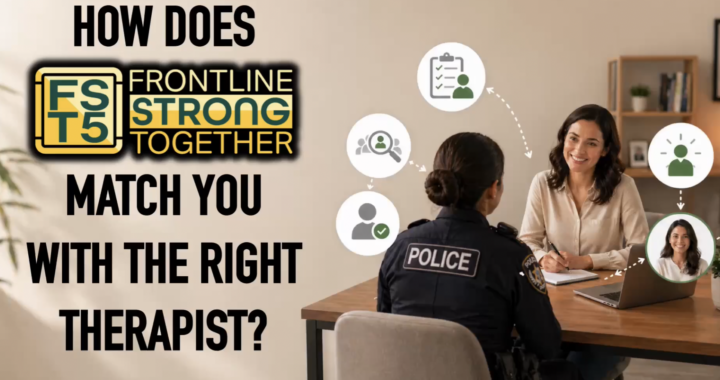
Getting matched with the right clinician starts with a simple intake form — covering your location, whether you prefer in-person or telehealth, your therapy preferences, and more. From there, FST5 connects you with a culturally competent provider who understands first responder culture, so you spend less time explaining and more time actually talking.
The first few sessions are about building rapport and getting to know your story — not quick fixes. And if the connection isn’t there? That’s okay. You can always reach back out to FST5 and request a different clinician. No hurt feelings. No judgment. Just finding what works for you.

It’s spring and you’ve probably noticed a change in when the Sun rises and sets. But have you also noticed a change in your mood?
We’ve known for a while that light plays a role in our wellbeing. Many of us tend to feel more positive when spring returns.
But for others, big changes in light, such as at the start of spring, can be tough. And for many, bright light at night can be a problem. Here’s what’s going on.

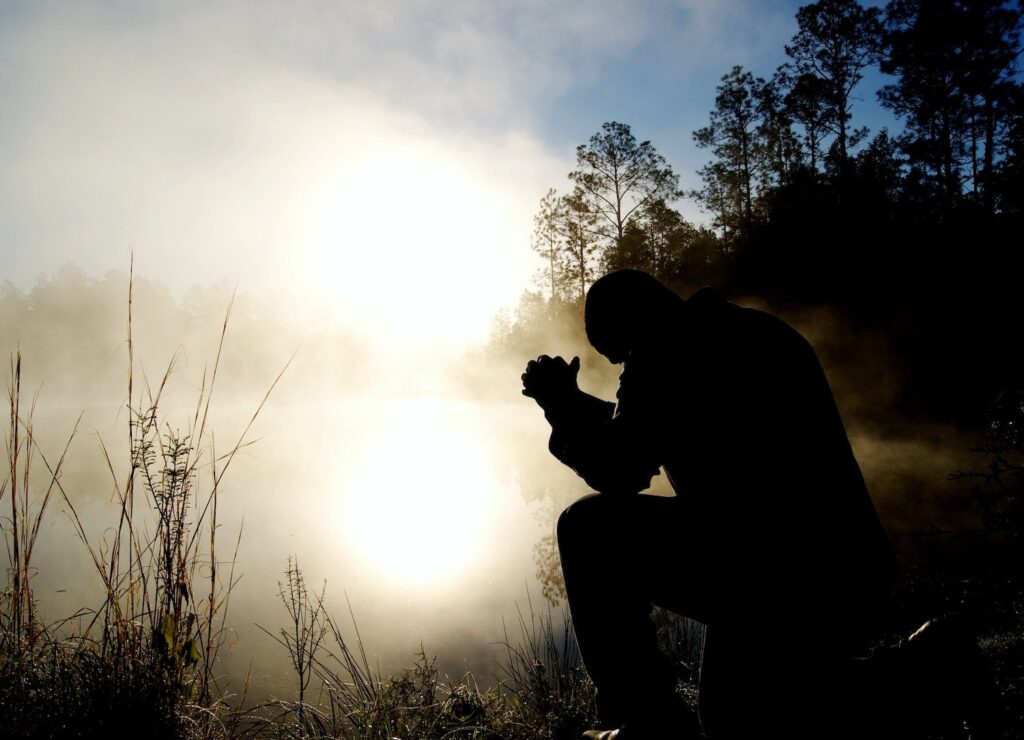
First Responders can maintain work-life balance with the right strategies and outlook
First Responders play a vital role in ensuring the safety and well-being of our communities. Their schedules are demanding, often involving long shifts and unpredictable hours. In today’s world, it can be challenging to find and maintain a healthy work/life balance no matter the occupation. Managing a first responder schedule present even more obstacles (especially during the holidays) but, with the right plan of action and mindset, it’s possible to maintain a healthy work-life balance and excel in this critical profession.
Click the link below to read the 10 recommended tips by The Shelter Foundation:
https://www.theshelterfoundation.org/blog/10-tips-to-effectively-manage-first-responder-schedule
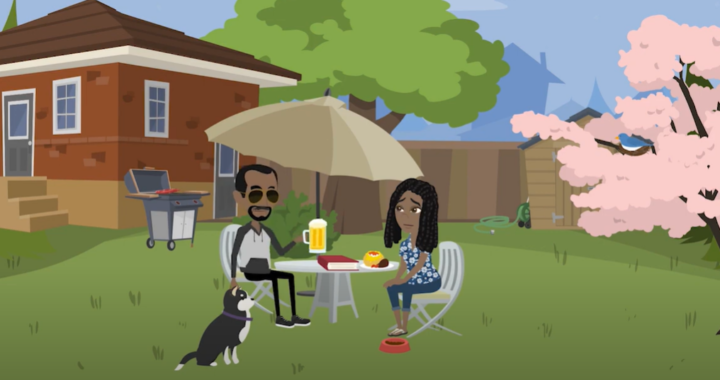
1st responders struggling to talk about work at home.
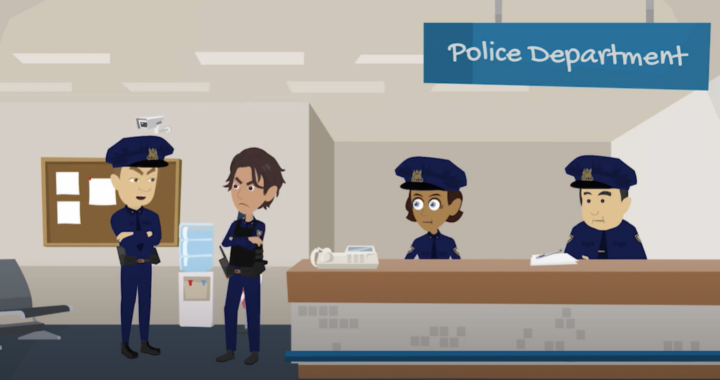
Sometimes interactions involve people with challenges that are not visible.
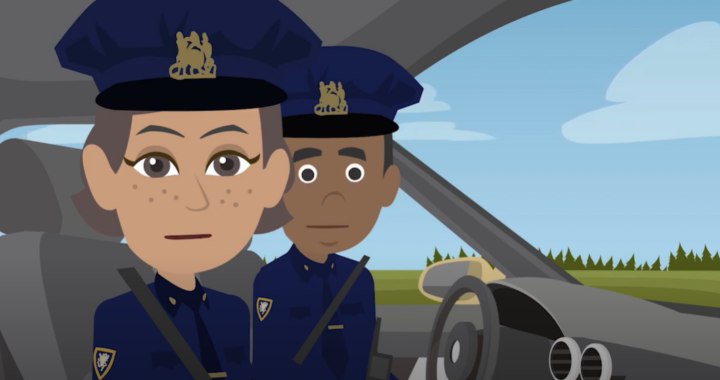
The following shows the aftermath of a drunk driving incident.
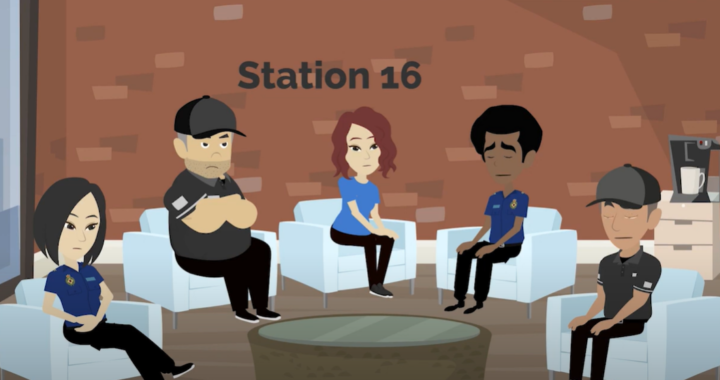
The following shows the aftermath of a drunk driving incident.
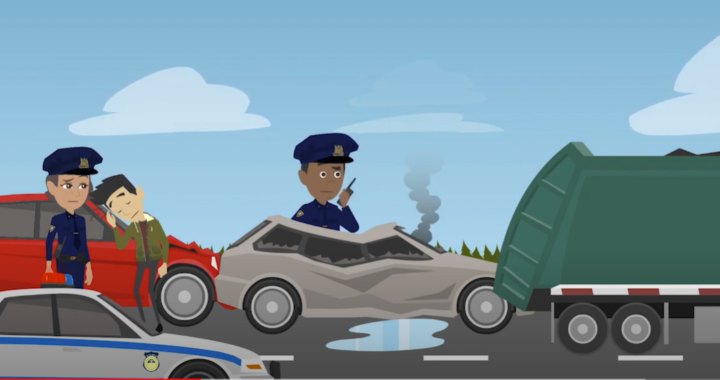
The following shows the aftermath of a drunk driving incident.
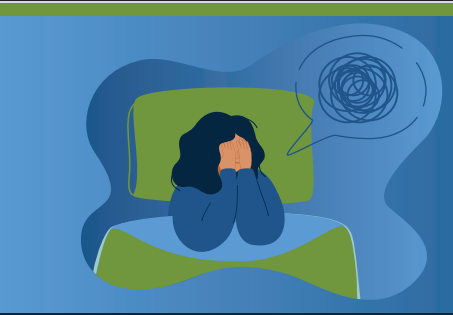
Is it stress or anxiety?
Life can be stressful—you may feel stressed about performance at school, traumatic events (such as a pandemic, a natural disaster, or an act of violence), or a life change. Everyone feels stress from time to time.
What is stress? Stress is the physical or mental response to an external cause, such as having a lot of homework or having an illness. A stressor may be a one-time or short-term occurrence, or it can happen repeatedly over a long time.
What is anxiety? Anxiety is your body’s reaction to stress and can occur even if there is no current threat.
If that anxiety doesn’t go away and begins to interfere with your life, it could affect your health. You could experience problems with sleeping, or with your immune, digestive, cardiovascular, and reproductive systems. You also may be at higher risk for developing a mental illness such as an anxiety disorder or depression. Read more about anxiety disorders.
So, how do you know when to seek help?
Stress vs. Anxiety
| Stress | Both Stress and Anxiety | Anxiety |
|---|---|---|
| Generally is a response to an external cause, such as taking a big test or arguing with a friend.Goes away once the situation is resolved.Can be positive or negative. For example, it may inspire you to meet a deadline, or it may cause you to lose sleep. | Both stress and anxiety can affect your mind and body. You may experience symptoms such as:Excessive worryUneasinessTensionHeadaches or body painHigh blood pressureLoss of sleep | Generally is internal, meaning it’s your reaction to stress.Usually involves a persistent feeling of apprehension or dread that doesn’t go away, and that interferes with how you live your life.Is constant, even if there is no immediate threat. |
Everyone experiences stress, and sometimes that stress can feel overwhelming. You may be at risk for an anxiety disorder if it feels like you can’t manage the stress and if the symptoms of your stress:
Learning what causes or triggers your stress and what coping techniques work for you can help reduce your anxiety and improve your daily life. It may take trial and error to discover what works best for you. Here are some activities you can try when you start to feel overwhelmed:
If you are struggling to cope, or the symptoms of your stress or anxiety won’t go away, it may be time to talk to a professional. Psychotherapy (also called talk therapy) and medication are the two main treatments for anxiety, and many people benefit from a combination of the two.
If you are in immediate distress or are thinking about hurting yourself, call or text the 988 Suicide & Crisis Lifeline at 988 or chat at 988lifeline.org.
If you or someone you know has a mental illness, is struggling emotionally, or has concerns about their mental health, there are ways to get help. Read more about getting help.
U.S. DEPARTMENT OF HEALTH AND HUMAN SERVICES
National Institutes of Health
NIH Publication No. 20-MH-8125
With challenges specific to the work environments of First Responders; navigating the Holidays can be hard for both the Responder and their families. Join us, as we talk with First Responder families who continue to learn new ways to manage the challenges of the Holidays together.
Participants:
Steve and Stephanie Faith
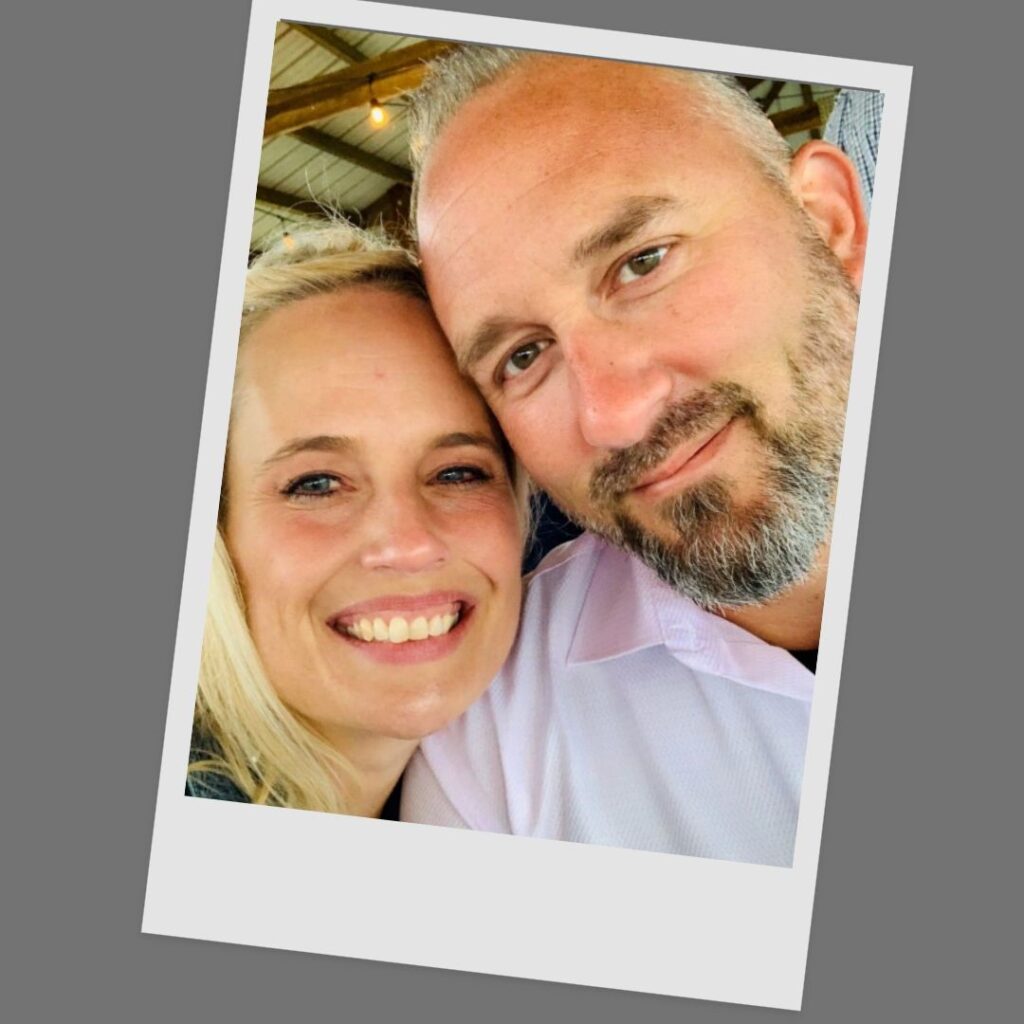
Steve and Stephanie Faith have been married for 25 years with 3 wonderful men. Andy is 23 in the US Air Force, Ryan is 20 with Livonia PD starting the Academy in January and Eric is 17 and a high school senior. Steve retired in December 2021 with 25 years of service.
Mike and Anna Wierenga
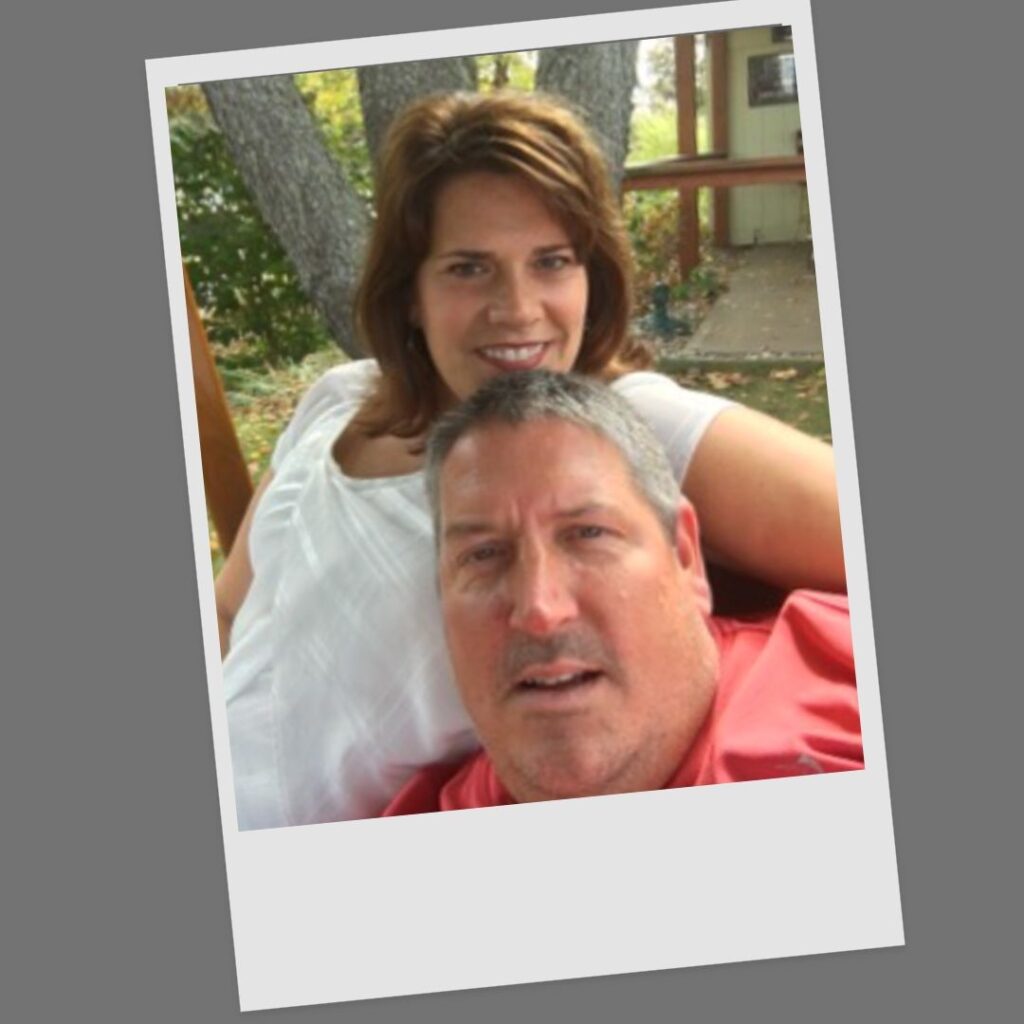
Mike and Anna have been married for 22 years and have 3 amazing kids: Mahala 17 Robert 16 and Little Leah 12. In January Mike will be starting his 31st year as a police officer.
Moderator:
Manisha Leary

LMSW, Frontline Strong Together (FST5) Program Manager, Clinical Therapist Wayne Health Psychiatry and Behavioral Neurosciences Services

51-year-old Funk Roberts takes you through a total body home workout for men over 40 using your body weight only and little space. This total body workout is perfect for men who are getting back to working out or those who need a workout to help burn fat and get stronger.
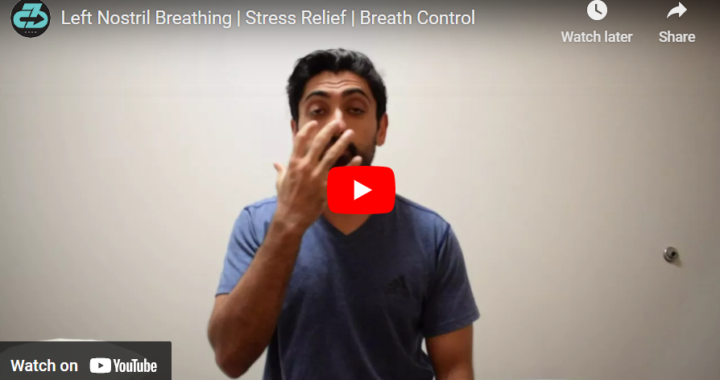
Left nostril breathing is a technique that helps dial down your stress response (sympathetic nervous system) while activating your relaxation response (parasympathetic nervous system). Try this for 10 reps whenever you’re feeling a little stressed out.
Dr. Raj Brar is a Los Angeles based physical therapist specializing in sports injury therapy and correction. Dr. Brar spends most of his time working with runners and other athletes helping to correct a number of issues as well as working on mechanical form correction and strength training as a method for future injury prevention.
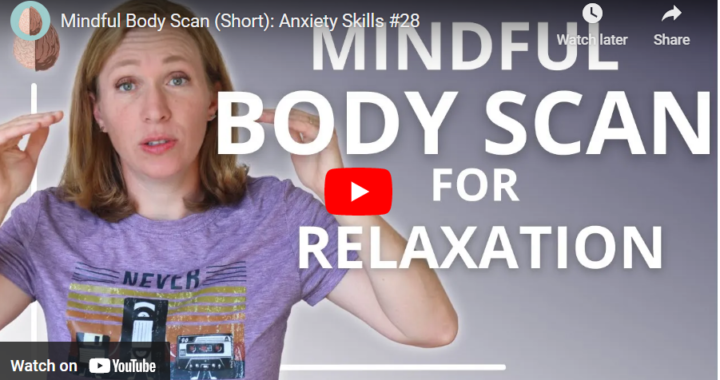
A body scan is a simple and essential mindfulness skill that can help you connect with the present moment, reduce anxiety and stress, and feel calmer.
The essence of a body scan exercise is to bring your awareness to various parts of your body, to scan your body with your noticing, and to come into contact and acceptance with the sensations in each area of your body.
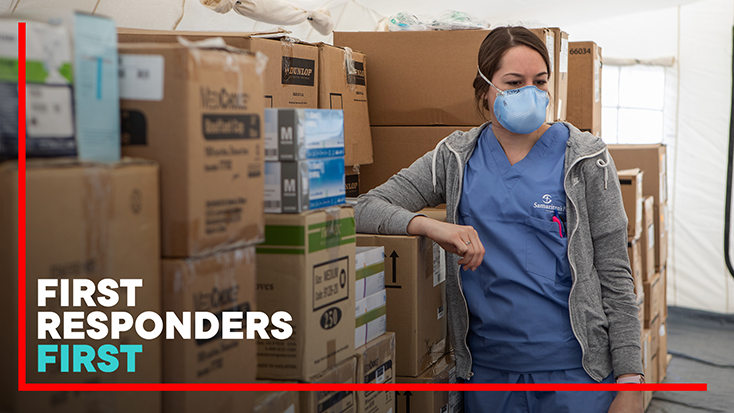
NAMI is partnering with #FirstRespondersFirst to raise awareness about the importance of mental health in frontline health care and public safety professionals. In today’s blog, Alexandra Hayes writes about identifying signs of stress and simple strategies to help reduce stress before burnout takes over.
As a first responder — whether you’re a home health aide, social worker, community health worker, nurse, or physician — you know that stress is a part of the job, and you likely have some strategies to keep yours at bay. But in the face of today’s unprecedented health crisis, your stress levels may reach new heights as you take on the responsibility of helping at the front lines.
When left unmanaged, chronic stress can weaken your immune system, lead to burnout, and rob you of the reason you wanted to do this critical work in the first place. You can’t control a lot when it comes to this virus, like the exposure you have to other people’s suffering, or how many patients you may need to treat with the resources you have, but with the right strategies, you can change how you respond to these distressing situations.