Wayne State University launches new website, call line to address first responder stress

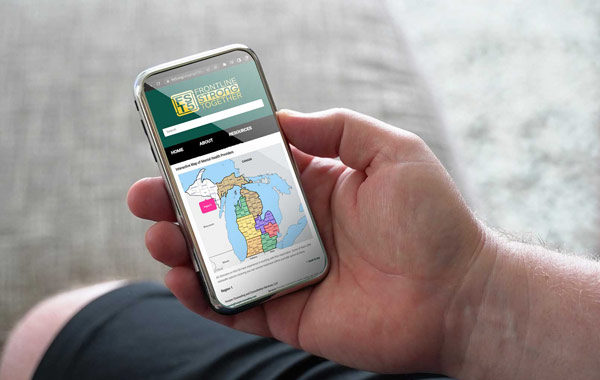
The Wayne State University Department of Psychiatry and Behavioral Neurosciences and the State of Michigan have launched a new website and phone line to provide assistance and training for the state’s first responders and their families confronting the stresses they face in their everyday duties.

The Frontline Strong Together (www.fst5.org) website and call line (1-833-34-STRONG) were created by first responders and mental health experts. The site provides 24/7 live support, effective resources and cutting-edge services to prevent and alleviate post-traumatic stress disorder, anxiety, depression and other work-related mental health challenges.

Mental health experts from Wayne State University and Wayne Health teamed with the Michigan Crisis and Access Line (MiCAL) and representatives of the Michigan Professional Firefighters Union, the Fraternal Order of Police, the Department of Corrections, paramedics and dispatchers to develop the program. A $2 million grant from the Michigan Department of Health and Human Services funded the development of education, training, support and behavioral health treatment services by the WSU Department of Psychiatry and Behavioral Neurosciences. The programs assist police, firefighters, emergency medical technicians, dispatchers, corrections personnel and their families in addressing and reducing sources of stress from both acute and chronic stressors.

According to the U.S. Department of Health and Human Services, an estimated 30 percent of first responders experience mental health disorders, including depression and post-traumatic stress disorder, compared to 20 percent of the general public. Rates of suicide are higher among first responders. The U.S. Centers for Disease Control and Prevention reports that law enforcement officers and firefighters are more likely to die by suicide than in the line of duty, and EMS providers are 1.39 times more likely to die by suicide than the general public. Between 17% and 24% of public safety telecommunicators have symptoms of post-traumatic stress disorder and 24% have symptoms of depression. The National Institute of Corrections reports that 19% of prison workers surveyed “reported symptoms that were severe enough to be diagnosed as PTSD,” a rate six times higher than that of the general population.

“Frontline Strong Together distinguishes Wayne State University in that the research we do is not in some ivory tower.”

“This is right in the trenches with the community, in real time, to develop evidence-based approaches to help as many people as possible,” said David Rosenberg, M.D., chair of the WSU Department of Psychiatry and Behavioral Neurosciences.

“We go where the data is and implement the best practices.”

David Rosenberg, M.D.

David Rosenberg, M.D

David Rosenberg, M.D

The training and resources made available throughout the state under Frontline Strong Together will provide support via academic-backed medical research in a state with a critical lack of support services, especially for first responders and their families. WSU psychiatrists developed and will manage a statewide clearinghouse of materials that include training videos and manuals, and train-the-trainer curriculums for use in police, firefighter and other first responders training. The website includes videos by mental health experts that provide explanations and positive techniques, and training videos for families and peers. Topics include effective language family members can use to deescalate situations; recognizing self-harm, including alcohol and substance use; psychiatric symptoms; non-violent communication; when and where to get help for mental health treatment; and coping mechanisms for stress and trauma.

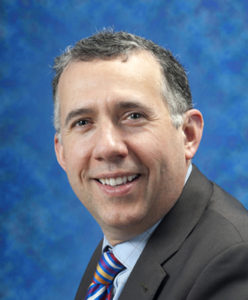
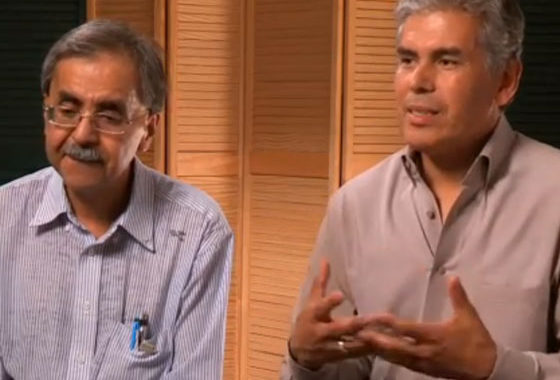
Alireza Amirsadri, M.D.
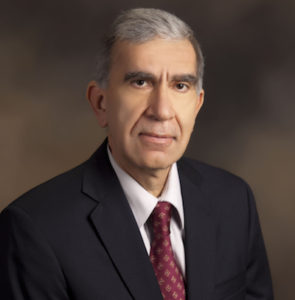
Alireza Amirsadri, M.D.

Alireza Amirsadri, M.D.

“The goal of peer training is not to ‘fix’ all of the problems, but rather to know how to handle and communicate about certain situations.”

Peer support and training is a vital component of Frontline Strong Together, said Alireza Amirsadri, M.D., associate professor of WSU Psychiatry and Behavioral Neurosciences and the main developer of the project. Trainees are taught in-person and through virtual platforms, and receive ongoing training.

Another critical component of the intervention program is tele-health services. A registry of mental health providers is available for referrals if a first responder prefers in-person assistance. Services include assessments, cognitive behavior therapy, medication management and outpatient therapy for mental health. Cutting-edge and innovative PTSD treatments utilizing augmented reality technology are also being developed. This technology will allow first responders to practice exposure to normal life situations they avoid due to traumatic experiences.

unseen-her0es-thumb

The Unseen Heroes

Jacob Johnson has worked for Skagit 911 for nearly nine years. He is currently a Lead Dispatcher, and has also worked as a police dispatcher and fire dispatcher. Jacob has received numerous commendations and awards for his work on high priority incidents.

interpreting-reality

Interpreting Others’ Realities

As a 911 dispatcher, Jen faces the everyday trials and tribulations of the different realities people face in their daily lives, whether it is in crisis or otherwise. While connecting on a human level, her job requires her to interpret others’ realities to make an impact and change lives.

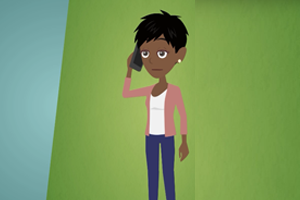
video_thumbnail_dispatchermandatoryovertime

Dispatcher Mandatory Overtime

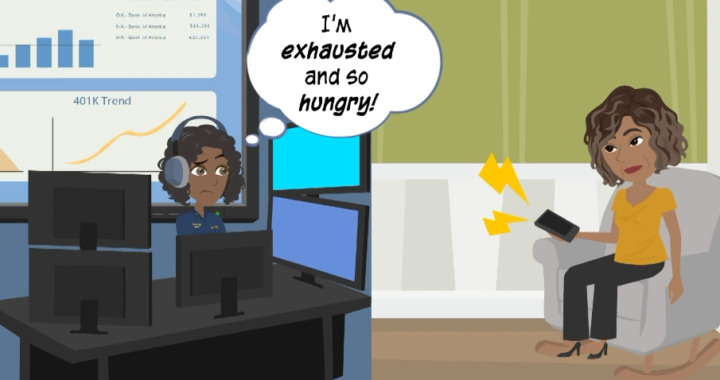
We will be joining my co-worker, Mary. A 32-year-old 9-1-1 dispatcher who is on the phone with her mother after being informed of mandatory overtime due to another co-worker calling off.


Mary has kids in daycare and her husband just started his police shift. So now she must find someone to pick up the children because she is unable to leave.

cominghome-roughday-thumb

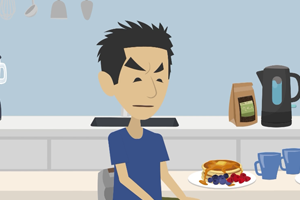
Coming Home from a Rough Day

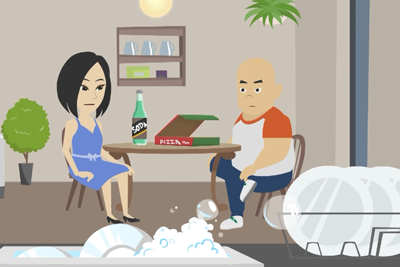
John, a first responder, comes home from an intense and difficult shift. It has been a frustrating and emotional day for him.


John’s wife, Julie, has been home without speaking to anyone on the phone or in-person all day. She feels cooped up. She is used to hearing from John at least once during his shift.

difficulty-holidays-thumb

The Difficulties of Working Holidays

We are Joining Jill, a Corrections Officer, who is recently divorced and she and her two children are living with her sister.

Working in the Department of Corrections during the holiday season can be more challenging than usual. 

The separation of families around the holidays is magnified and felt by inmates and staff alike. 

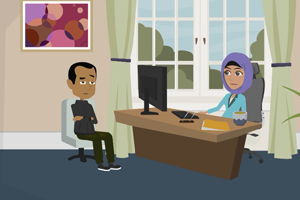
First Therapy Session

Michael is a first responder who is recently divorced and infrequently seeing his kids. He’s taken on a second job as a process server. He has been struggling to get adequate sleep and has started drinking to cope.

In Michael’s first session, he reports having rapid thoughts and he continuously replays events from work. He talks about situations that remind him of his own family.

common ground thumbnail

MiCAL is HIRING REMOTE WORKERS

Common Ground’s statewide crisis hotline, MiCAL (Michigan Integrated Crisis & Access Line) is HIRING REMOTE WORKERS.

  • Full and Part-Time
  • Extremely generous PTO
  • Competitive Benefits

About You

The ideal Frontline Strong Specialist is a resilient, devoted individual with either current or previous experience as a First Responder. If you wish to positively impact the lives of First Responders throughout Michigan, we invite you to apply!

The selected candidate will participate in a mandatory, virtual 100-hour Crisis Intervention Training program to ensure they are set up for success in this role.

What you need to apply

  • Permanent year-round Michigan residency
  • Current or previous First Responder experience (law enforcement officer, safety officer, paramedic, EMT, firefighter, etc.)
  • Experience providing immediate support during prevention, response, and recovery operations
  • High School Diploma or GED At-home high speed internet on a private network
  • A private, HIPAA compliant, dedicated at-home office space

For your hard work

  • Opportunity for professional growth
  • Employer paid training
  • Paid Time Off, Floating Holidays, Vacation Time, Sick Time, Paid Holidays
  • Fringe benefits

Common Ground is a community-crisis organization that has been in existence for over 50 years. Our purpose: helping people move from crisis to hope. At Common Ground, we help individuals and families who are experiencing crises of any kind, from suicide to substance abuse, human trafficking, mental illness and more.

Common Ground is an Equal Opportunity/Affirmative Action Employer. We consider all qualified applicants without regard to race, religion, color, sex, gender, national origin, age, sexual orientation, disability, or veteran status, among other factors.

Full job description: https://commongroundhelps.applicantpro.com/jobs/job_description_files.php?id=2378741&site_id=1330

Apply online: commongroundhelps.applicantpro.com

Find out more at https://commongroundhelps.org

getting-help-thumb

Getting Help for Mental Health

getting-help

About one in five Americans live with a mental health condition. If you or someone you know is struggling, it’s important to know that help is available.

Your mental health matters
Mental health is your overall mental well-being. It’s shaped by your life experiences, relationships, physical health, family health history, and environment.

Mental illnesses, including depression, anxiety, and post-traumatic stress disorder, can affect how you feel and think and can make it hard to complete everyday tasks. If you’re dealing with mental health issues or illness, you are not alone.

zach episode 1 thumb

Zach’s Story Episode 1

Often, First Responders experience repetitive stressful and life changing events that are difficult for others to imagine.


Multiple exposure to traumatic human events may disrupt your ability to experience pleasure from activities that you typically enjoy.

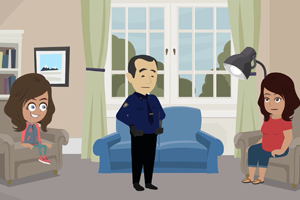
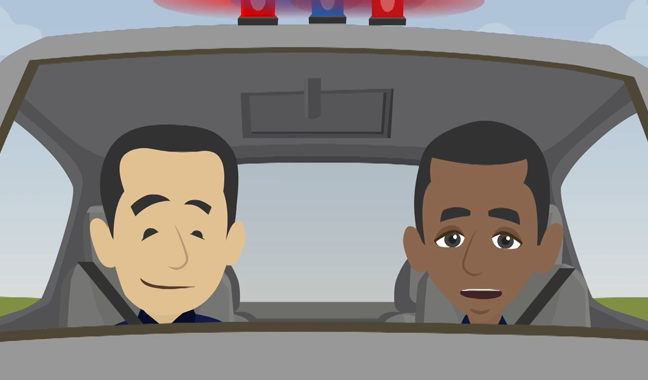
Officers Dan and Ronnie thumbnail

Officers Dan and Ronnie

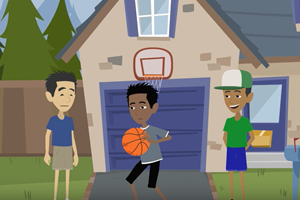
Neighbors and friends have been negatively impacted by a recent shooting in our community. The reach of this impact has gone beyond anyone’s imagination and has affected families, the children, and relationships with each other.

taughtmeatoubtresilience-2

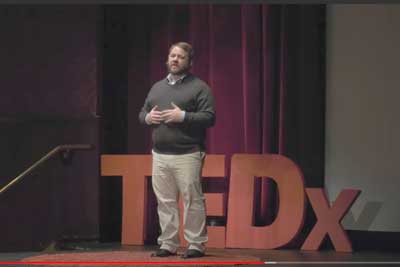
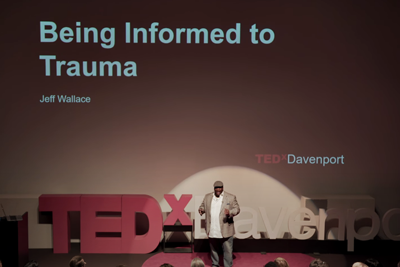
What Trauma Taught Me About Resilience

That resilience is one of the most important traits to have, is critical to their happiness and success, & can be learned.Adept at leveraging transparency to inspire and get results, this former College Recruiting, Talent Management, Diversity, and Supply Chain leader left the corporate world to fulfill his vision of building unbreakable spirits and cultivating resiliency for those who, like him, have The Audacity to Succeed.

aching-red_thumb

The Aching Red: Firefighters Often Silently Suffer from Trauma and Job-related Stress

aching-red-banner

Matthew was exposed to unimaginable scenes of pain and suffering in his job over more than a decade as a firefighter. The last straw came when he witnessed the death of a teenager – who was the same age as his son – from an overdose.

“The worst part is when you see an infant or a child die,” he told me during a visit. “Exposure to their family’s pain – and that you could not save that life – is very heartbreaking.” Matthew, for whom I’m using a pseudonym to protect his privacy, was being treated at my clinic for post-traumatic stress disorder and depression.