national-99_thumb

999 Foundation

national-99_main

The National 9-99 Police and Sheriff Foundation raises funds for injured or fallen officers and their families, invests in K9 safety and training, and provides counseling and mental health resources to all officers in need.
heart-math-institiute-thumb

HeartMath Institute

heart-math-institiuteheader

Each day the challenges of being a first responder can take a serious toll on health, well-being and performance.

That’s why the ability to build and sustain physical, emotional and mental resilience is so critical.

At HeartMath we’re committed to helping individuals from all walks of life build and sustain this capacity.

It’s the reason we created the Resilience Advantage™ – Building Stress Resilience and Optimizing Performance training and mentoring programs, especially for law enforcement and other first responders just like you.

opioid-task-force_thumb

First Responder and Law Enforcement Resources

opioid-task-force_main
  • Free Face Shields for First Responders
  • Frontline Worker Resources – An Initiative of the Massachusetts AG’s Office
  • Self-Care Resources for Healthcare Professionals and Responders to Covid-19 – SAMSHA
  • Interim Guidance for Emergency Medical Services (EMS) Systems and 911 Public Safety Answering Points (PSAPs) for COVID-19 in the United States
  • Resiliency and Wellbeing Resources for First Responders During COVID-19 Response
  • OTF Co-Chairs Message about Procuring PPE
  • What Law Enforcement Personnel Need to Know about Coronavirus Disease 2019 (COVID-19)
  • Resources for First Responders and Law Enforcement
  • Drug Enforcement Administrations (DEA), Diversion Control Division, DOJ, COVID-19 information page
  • National Institute of Corrections (NIC) Coronavirus Information
  • The National Police Foundation Coronavirus (COVID-19): Resources for Law Enforcement
  • COVID-19 Briefing for Law Enforcement (Vimeo)
  • Presentation on Coronavirus Disease 2019 (COVID-19) for Law Enforcement

first-net-authority-thumb

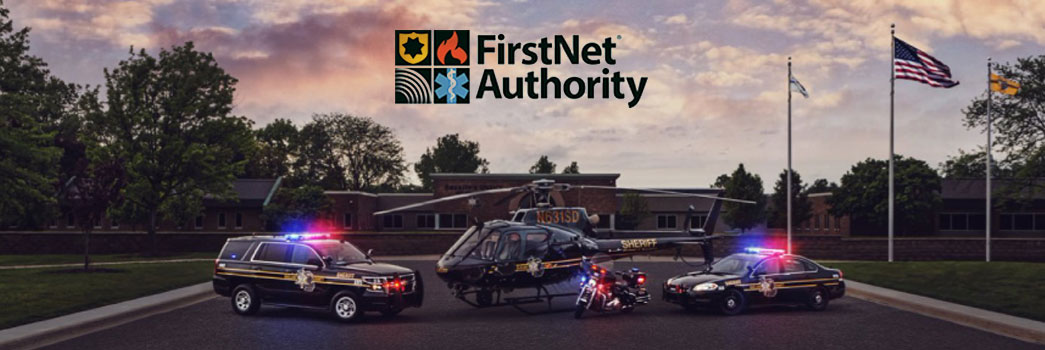
FirstNet: Providing Mobility and Flexibility for Michigan Law Enforcement

Technology is critical to the work of today’s police force. Decades ago, we were celebrating the development of centralized databases and the advent of computer-aided dispatch systems. Now, agencies can use drones, thermal imaging, and other Internet of Things (IoT) devices to enhance police operations and make officers more efficient and safer on the job.

Mobile broadband technology is a key component of these advances. 4G LTE – and soon 5G – connections enable officers to access the same resources in the field as they would sitting at a computer in a police station. Gone are the days of having to return to the station to complete reports or upload video footage. And FirstNet – the only nationwide broad-band network dedicated to public safety – provides officers the reliable broadband connection they need to operate on a daily basis or during any incident or emergency.

brainscan-lg2

Brain scans help shed light

brainscan-lg2 main

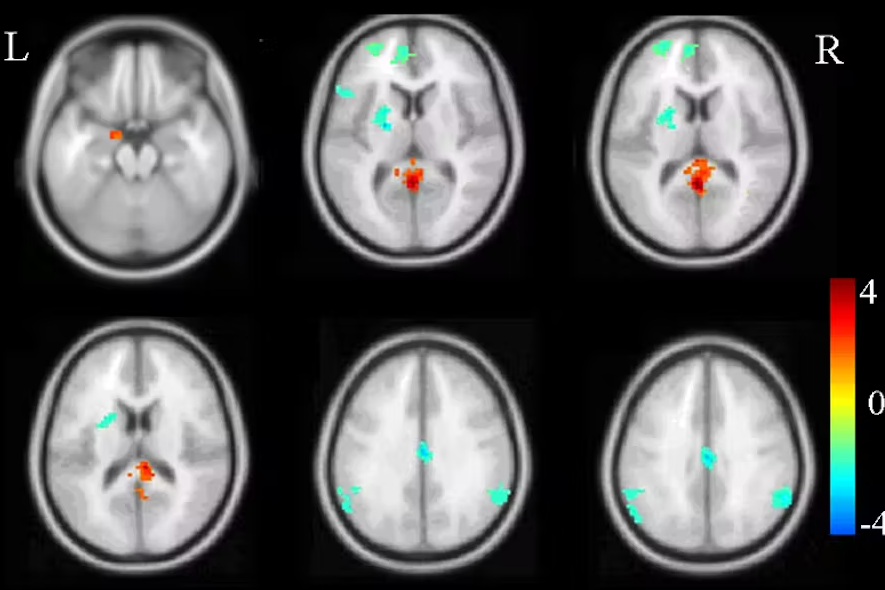
Celebrities and public figures have recently been more open about mental health conditions they deal with. This is a positive sign of shrinking stigma around mental illness, and it also helps in reducing it. The most recent in this line was Ariana Grande’s mention of post-traumatic stress disorder, or PTSD … and a brain scan.
fop-thumbt

FOP

fop-main-bannert

The Fraternal Order of Police is the world’s largest organization of sworn law enforcement officers, with more than 364,000 members in more than 2,100 lodges. We are the voice of those who dedicate their lives to protecting and serving our communities. We are committed to improving the working conditions of law enforcement officers and the safety of those we serve through education, legislation, information, community involvement and employee representation.

No one knows the dangers and the difficulties faced by today’s police officers better than another officer, and no one knows police officers better than the FOP.

POAM

poam-main-header2

POAM is a full-service labor organization formed to provide every labor-related service from negotiations, grievance processing, legal and legislative representation to Act 312 arbitrations.

The number one issue that POAM representatives address when speaking with groups interested in switching union affiliation is the quality of our business agents and the service they provide to their local units. Calls are returned promptly. Many questions are answered on the spot, more difficult inquiries are responded to immediately after the issue is investigated.

COPLINE

copline-main-content

“Cops understand Cops. We’ve been exposed to similar situations in our careers. Whether you’re active duty or retired and feel like no one understands what you’re going through, we want to answer your CALL.”

CopLine has earned the trust of the Law Enforcement community by providing peer listening through a hotline by maintaining complete confidentiality as well as anonymity if the caller chooses. We train competent, confident, committed, and compassionate retired officers to engage with callers on the daily stressors officers and their family members experience.

nfpa-thumb-content

Firefighters are first responders

national-fire-protection-association-content

While the number of fire-related calls to U.S. fire departments has steadily declined in recent decades, the volume of calls to fire departments has continued to grow. As fire departments have become increasingly relied upon to provide emergency response to an ever-growing range of incidents, so have firefighters’ roles and responsibilities.
NFPA continually works to support fire departments by developing standards, trainings, resources and initiatives that help them perform their work as effectively and safely as possible, wherever they’re required to go. Similarly, NFPA has proactively addressed emerging issues in which fire departments have become actively involved.

nvfx-main-content-thumb

The National Volunteer Fire Council

nvfx-main-content

The National Volunteer Fire Council (NVFC) is the leading nonprofit membership association representing the interests of the volunteer fire, EMS, and rescue services. The NVFC serves as the voice of the volunteer in the national arena and provides critical resources, programs, education, and advocacy for first responders across the nation.

iaff-main-thumb

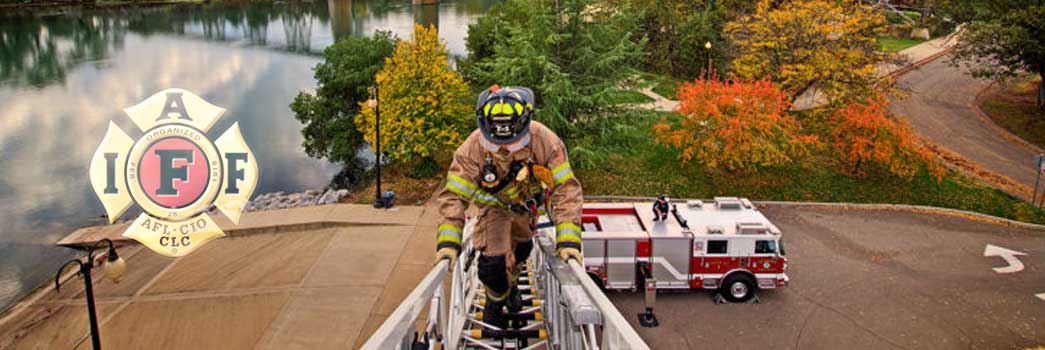
Behavioral Health and Wellness in the Fire Service

iaff-main-main

There is growing concern about behavioral health issues and the significant impact on wellness. The stresses faced by fire fighters, paramedics and EMTs throughout the course of their careers – incidents involving children, violence, inherent dangers of firefighting and other potentially traumatic events – can have a cumulative impact on mental health and well-being.

The IAFF​ continues to develop resources that educate and support members on behavioral health concerns. Check back often for updated information on behavioral health programs and resources.

iaff-rehab_thumb

IAFF Recovery Center

iaff-recovery-header

A Rehab Center Designed Specifically for IAFF Members We want you to feel at home at the IAFF Center for Excellence. That’s why we designed it with the firehouse in mind, to make treatment as comfortable as possible. You’ll find familiar touches throughout the common areas and residences.

Our 15-acre facility, located just outside Washington, DC, in Upper Marlboro, Maryland is furnished with comfortable residential accommodations and more than 60 beds. It offers a wide range of indoor and outdoor amenities to encourage physical activity and mental clarity to heal the mind, body and spirit.


corrections1-howtorespondo_thumb

How to respond to correctional emergencies

how to respond to correctional emergencies main

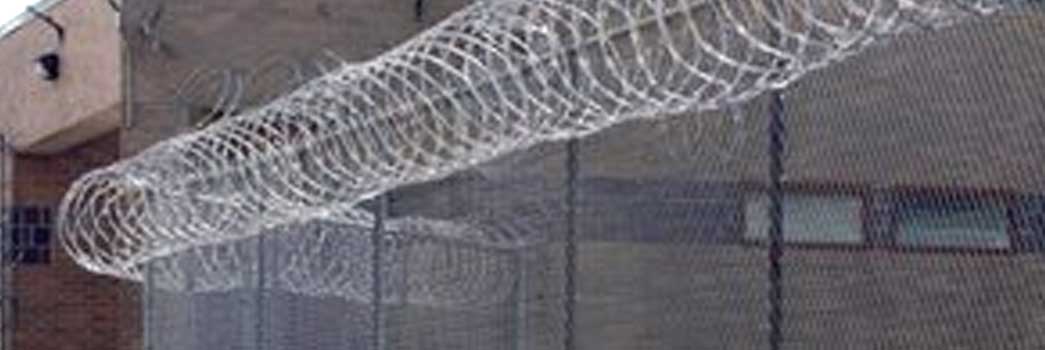
Keeping correctional staff safe begins with how we prepare to respond to correctional emergencies. This preparation is usually dealt with under the umbrella of emergency preparedness planning. It is important to note that correctional personnel respond to emergencies as first responders.

Staff members initially respond to these emergencies, determine what type of specialized emergency response is needed, then assist with handling the problem while the appropriate specialized response teams are called to the scene, such as correctional emergency response teams, EMS, fire department or maintenance department.

professional level training thumb

Get Professional-Level Training for Your Students and Faculty!

Get professional Training Image Main

Get Professional-Level Training for Your Students and Faculty!

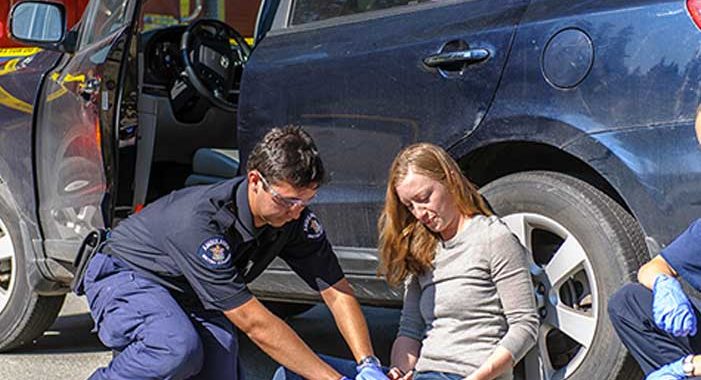
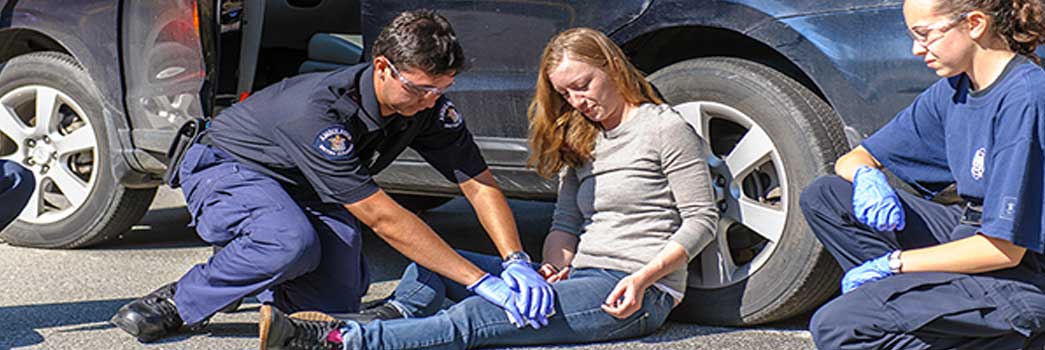
Did you know the Red Cross provides a training program based on the national EMS educational standards for an Emergency Medical Responder?

Emergency Medical Response is a dynamic 56-hour course featuring lecture, video, simulated emergency situations, discussion and hands-on skill practice based on the national EMS curriculum requirements and educational standards.

While Emergency Medical Responder (EMR) does not provide state licensure or certification as an Emergency Medical Responder, this course is ideal for high school and college-aged students to receive training similar to the training EMS professionals receive as they look to enter careers in healthcare, public safety, or law enforcement.

LEARN MORE

behavioral health thumbnails

Behavioral Health for Firefighters

Behavioral Health for Firefighters Main Image

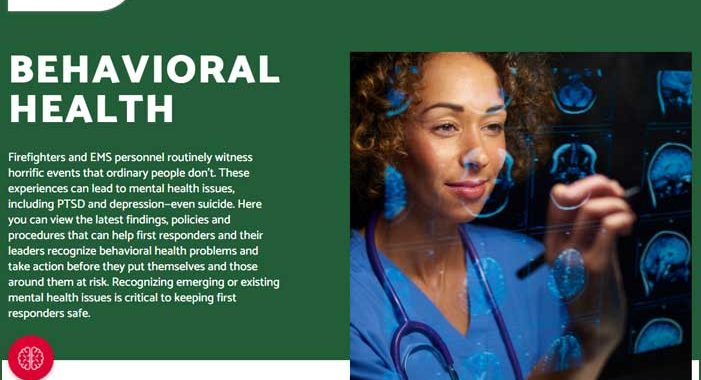
Firefighters and EMS personnel routinely witness horrific events that ordinary people don’t. These experiences can lead to mental health issues, including PTSD and depression—even suicide. Here you can view the latest findings, policies and procedures that can help first responders and their leaders recognize behavioral health problems and take action before they put themselves and those around them at risk.

Recognizing emerging or existing mental health issues is critical to keeping first responders safe.

thumbnail-mentalhealthresources for firefighters

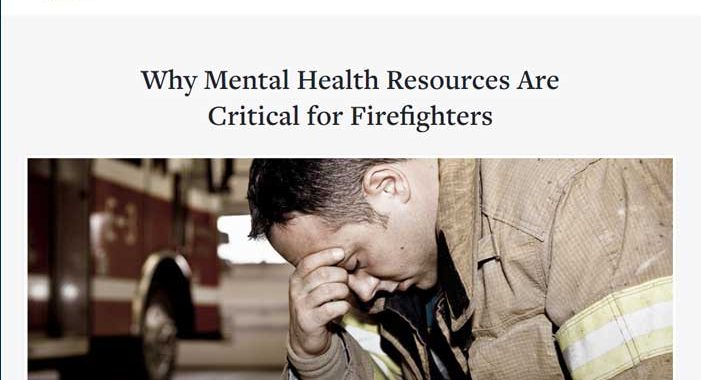
Mental Health Resources: Critical for Firefighters

Like most emergency responders, firefighters are expected to be calm, level-headed and able to face even the most challenging situations with courage. They have long been expected to contain their emotions and approach their jobs with logic and reason, with the understanding that only those who have the ability to successfully manage the stress and emotional aspects of the job are cut out for success.

As a result, many firefighters have suppressed their feelings, with devastating consequences to their mental health. Research indicates that a large number have experienced mental health issues such as PTSD, anxiety, depression and suicidal thoughts. For example, one study of 7,000 firefighters found that 65% of the respondents struggle with memories of difficult calls, while 59% have had family or relationship problems as a result of their jobs. Substance abuse issues were experienced by 27%, while 19% have had thoughts of suicide.

In this article, we explore why mental health is critical for firefighters and what resources are available to help departments raise awareness within their teams.

dispatcher burnout thumbnail

911 Dispatcher Burnout

Dispatcher Burnout Main Image

Being an Emergency Dispatcher is difficult for a multitude of reasons. Firstly, the job is incredibly intense and stressful; at any moment you could answer the phone to a panicked caller and alter the course of their lives depending on your actions. To top it all off, this is done at a lower salary level compared to other first responders.

Those that quit during dispatcher training cite not being able to handle the “rapid pace of the job and the responsibility of having someone’s lives in their hands.” The hours are long, and there is mandatory overtime; working during emergencies and on holidays is often required as dispatchers are needed 365 days out of the year, 24 hours a day. In small towns, dispatchers must often take calls from people that they know.

intncchc_thumb

Health Training for Correctional Officers

ncchc_main

Correctional officers are a vital part of the process for delivering health care to incarcerated individuals. Not only do they facilitate the work flow, they also represent many eyes and ears throughout the facility to alert health staff to individuals with possible health issues. Because correctional personnel are often the first to respond to problems, they must be aware of the potential for emergencies that may arise, know the proper response to life-threatening situations, and understand their part in the early detection of illness and injury.
 
Standard C-04 focuses on a health training program for correctional officers. The intent of the standard is to promote the training of correctional officers to recognize when the need to refer someone to a qualified health care professional occurs and to provide emergency care until they arrive.
 
Training can be accomplished in a variety of ways, including classroom training, roll-call in-services, electronically or any combination of these methods. Health staff may have a role in the training or it could be conducted entirely by correctional staff who are qualified to instruct on such topics. Regardless of the method for training or who is responsible, the standard requires that correctional officers who work with the incarcerated receive health-related training at least every two years. The training program must be established or approved by the responsible health authority in cooperation with the facility administrator.


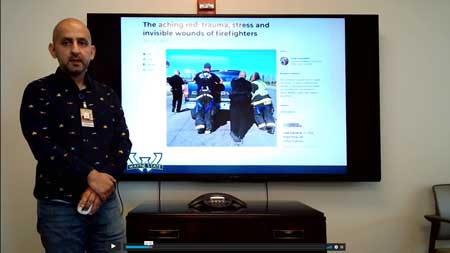
Stress and Trauma with Dr. Arash

Traumatic events can lead to many emotions, including feeling helpless, sad and angry. Some of us feel we shouldn’t have these emotions in our work. These are normal responses. Suppressing these emotions over extended periods will have a negative effect on us.
Teaching we get from this is:
Be supportive, don’t take it personally, when people ask for space give them space, use reflective listening and open ended questions
When you lose sight of judgment and make it about me and you – it can create anger