This session aims to explore the challenges and experiences faced after intense work events, offering insights and strategies to navigate the aftereffects of high-stress incidents. We invite all first responders to gain valuable knowledge and tools to support your well-being and resilience. Don’t miss this opportunity to learn, connect, and grow in your post-response journey.
Author Archive: Shantanu Madaboosi
Webinar Engagement #11: Cell 9-11: A life sentence from within. A story from inside looking out.
A webinar that promises to be a profound journey into resilience and recovery. We are privileged to welcome Jesse Binns, a distinguished Michigan and Indiana Firefighter/EMT-B, former Law Enforcement, and 911 Operator, as he shares his compelling story. With unflinching honesty, Jesse will delve into his personal battle with gambling addiction and his path to healing, shedding light on the often-hidden struggles with addictions, mental health, and PTSD that many first responders face. This session is more than an educational experience—it’s an invitation to understand the silent battles behind the uniform and to engage in a candid discussion about the behaviors often observed but seldom addressed.
Webinar Engagement #10: How Life Conitnues as the Widow of a First Responder
In our next webinar, we’re honored to host Amanda Rae Button, a multifaceted professional with experience as a 911 dispatcher, firefighter, EMT, and an Army Veteran. Tragically, in 2018, Amanda became a law enforcement widow when her husband lost his battle with PTSD.
Guest Speaker:
Amanda Rae Button

Amanda’s journey since has been a testament to resilience and strength. Balancing the grief of loss, raising their daughter, and actively spreading awareness about first responder mental health, her story is both moving and motivational. She shares her experiences through “UnButton The Stigma” and volunteers with the non-profit “First Help.” Recently, she has also taken up the role of secretary for “Making Everything Good.”
Webinar Engagement #9: Processing Grief as a First Responder
Ashley aims to help break the stigma and empower others. In this webinar, she will discuss:
- Common grief responses and how they may manifest differently in first responders
- Why first responders are at higher risk for suicidal thoughts
- Effective coping strategies used by those who have found healing
- Where to find confidential support and mental health resources
Participants:
Ashley Freeman
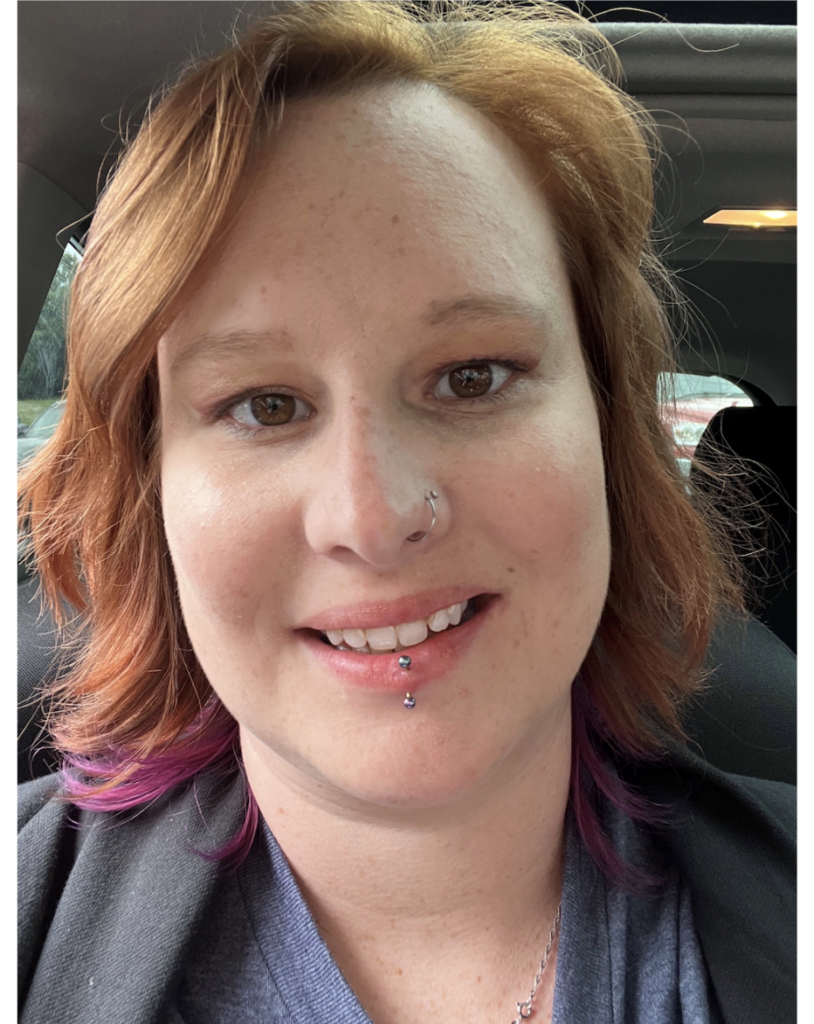
Ashley Freeman, an EMT who is also working towards her master’s degree in social work. Once she completes her program Ashley plans on becoming a therapist that works specifically with Frontline workers. From a young age, Ashley was surrounded by first responders, dreaming of following in her father’s footsteps as a paramedic. Tragically, she lost her father to suicide before getting that chance. She relied on her father’s best friend for support, only to lose him the same way years later.
Webinar Engagement #8: Generational First Responders
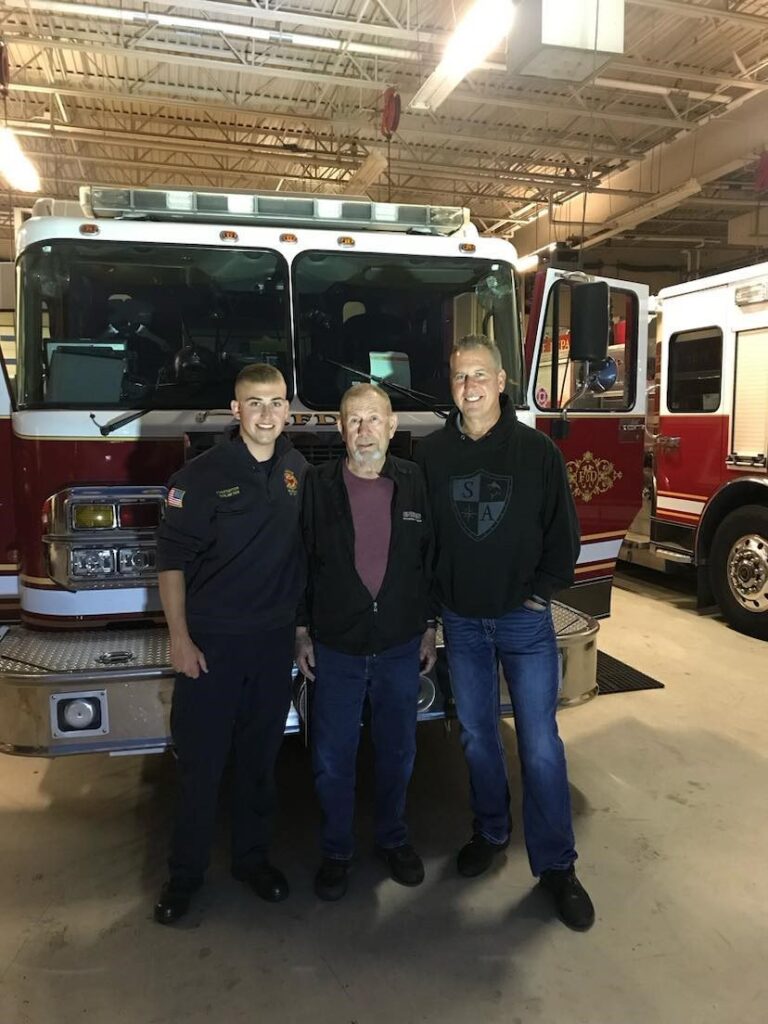
The legacy continues as the children of our brave first responders’ step into their own “heroes” shoes, embracing a career dedicated to serving and protecting. Inspired by the selflessness and courage of their parents, these remarkable individuals are destined to make a difference and carry the torch of honor, compassion, and resilience forward. They are the next generation of first responders and learning to navigate the challenges of this career in a new way!
Join us as we talk with our dynamic father and son duo, about the experience of being generational first responders. Whether you are a first responder, a family member of a first responder, or simply interested in learning more about this topic, this webinar offers valuable knowledge and practical advice for everyone.
Participants:
Kevin Sehlmeyer
Kevin started in the fire service in 1984. He retired from Grand Rapids FD as a Deputy Chief with 30 years of service. Kevin has served as the State Fire Marshal since his appointment in 2017.
Sean Sehlmeyer
Sean has been in the fire service since 2019. He started with the Courtland Twp FD. Since August 2021 Sean has been a member of the Muskegon FD.
Webinar Engagement #7: The Stigma: Why We Don’t Ask For Help?
On an almost daily basis, first responders are exposed to intense traumatic events not imaginable to the general population. Our brains were not made for absorption of cumulative intense traumatic experiences. Acute, repeated, or chronic traumas take their toll on our body and brain, potentially reducing life expectancy or killing brain cells. That impact on us can make us sick mentally and physically.
At the same time, many first responders may feel that admitting to experiencing mental health challenges could be seen as a sign of weakness or incompetence. This stigma can be reinforced by outdated and harmful cultural norms within the profession, by colleagues, family members, or friends.
In this webinar, we will explore the fear of negative consequences, the pressure to maintain a “tough” persona, and strategies for overcoming these barriers. Please join us on May 31, 2023, for this important discussion.
Participants:
Shaun Abbey
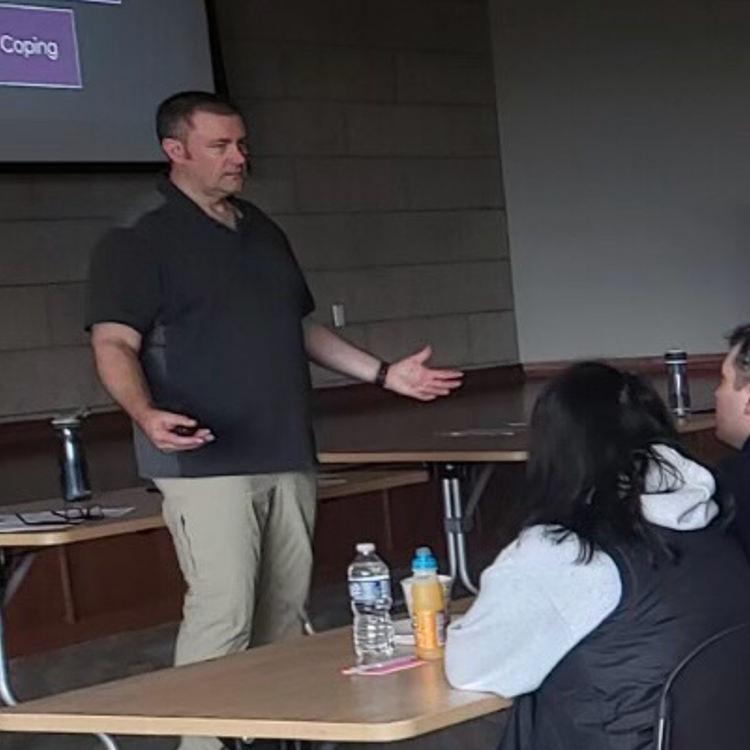
Shaun Abbey has been in the fire service for over 30 years. He started his career as a paid-on-call firefighter with the Springfield (MI) Fire Department and is currently a battalion chief with the Kentwood Fire Department. Over the course of his career, Shaun realized that our lives and work have become more stressful and the solutions we were given to cope were not effective for everyone. Looking for more answers, he has advocated for better emotional support for the fire service and currently sits on the Governor’s Suicide Prevention Commission. Shaun has had several close firefighters die by suicide and his goal is to improve emotional health for all firefighters, eliminate the stigma associated with mental health and abolish suicide.
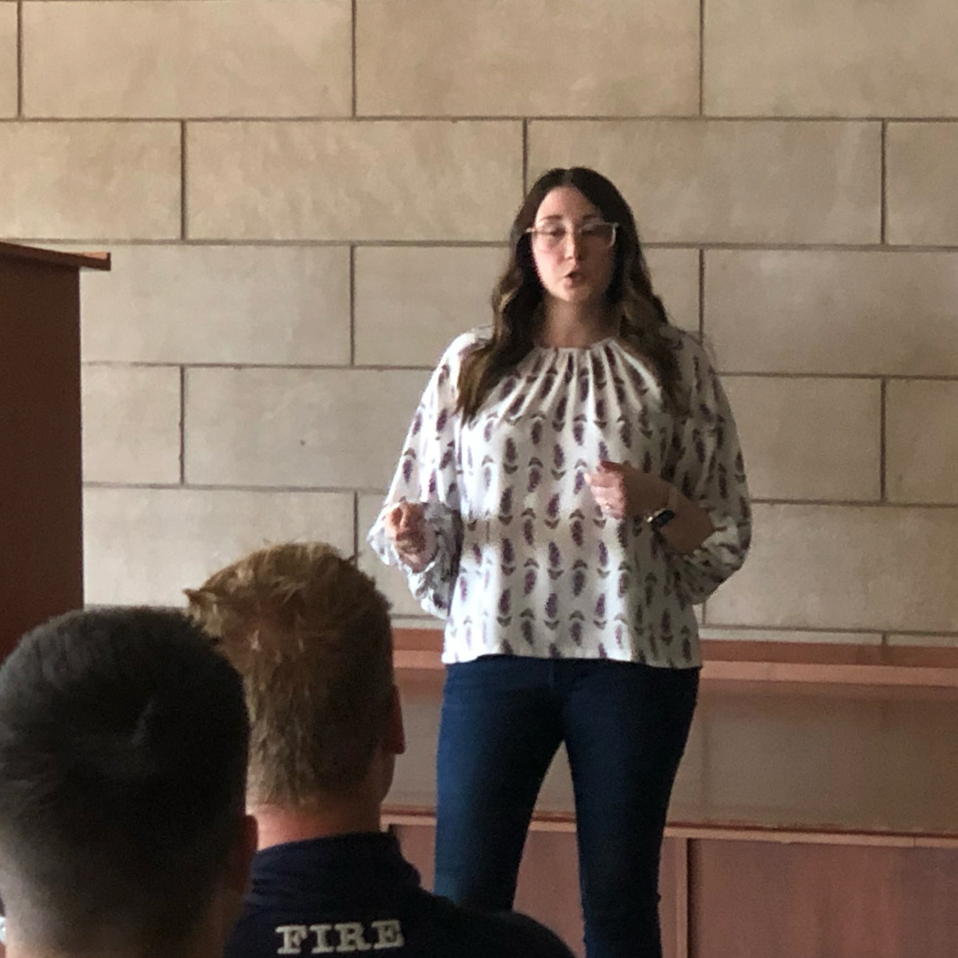
Ellen Abbey
Ellen Abbey was raised in the home of a first responder giving her a unique perspective on the family life of a firefighter. As Ellen started college, she realized she wanted to become a counselor and work with first responders and their families. She graduated Magna Cum Laude with a Master of Social Work degree from Grand Valley State University. Ellen is a licensed clinician with Encompass that has a program called Backing the Badge that provides employee assistance resources for first responders and their families. Ellen currently works with many fire, police and county departments across the state.
Webinar Engagement #6: The Importance of Peer Support Teams
We are thrilled to announce our upcoming webinar where we will explore the Importance of Peer Support Teams for first responders. Peer Support Teams can help responders cope, lower stigma, and build team cohesion. Our participants will discuss strategies for building and maintaining an effective Peer Support Teams .Join us on April 19 to learn how Peer Support Teams can help first responders stay resilient and thrive in their demanding roles.
Participant:
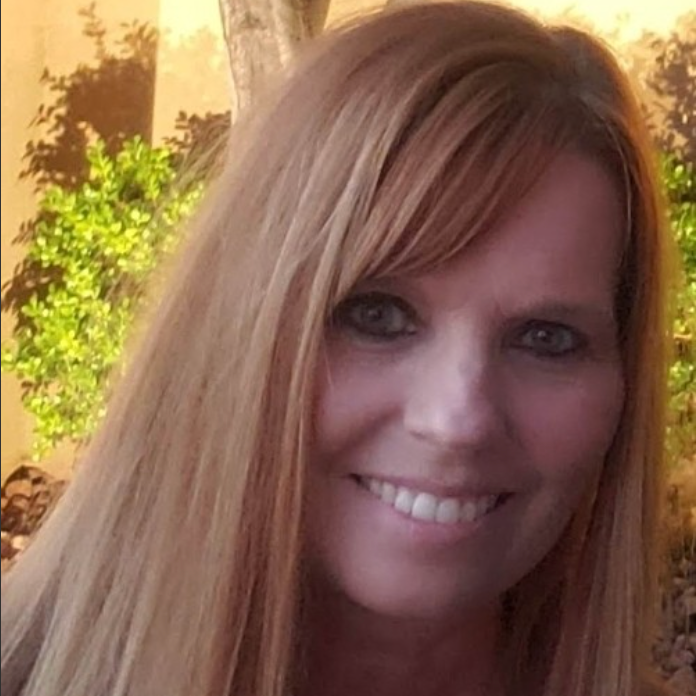
Susan Andary
Susan is an AEMT and has been working with UP Health Systems EMS for 12 years. Volunteers as a Co-Coordinator for the Central Upper Peninsula CISM/Peer Support Team since 2021.
“Our team has realized that the mental health and wellness of First Responders is more important than it ever has been. The traditional debriefings and defusing are definitely an important component but having a team that is also available to provide peer support is critical. To provide hope in the most dire of situations and help peers get the resources that they so critically need is equally if not more important. So many people struggle, and we want First Responders to know that #1 you are not alone and #2 there are more resources in the State of Michigan than there ever has been.”
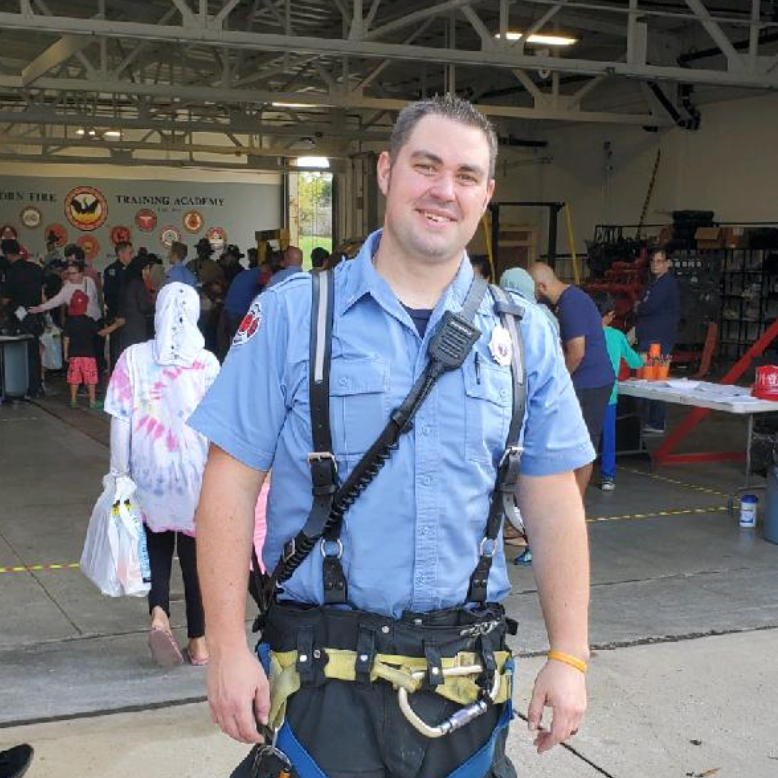
Mike Mattern
Mike had been a firefighter/paramedic with the Dearborn Fire Department for 17 years. He is part of the department’s technical rescue team and a team leader for the western wayne county team. He was one of the founders of the Dearborn Firefighters peer support team over 5 years ago. Mike is a board member on the Michigan Crisis Response Association, the Chairperson of the Michigan Professional Firefighters Union Behavioral Health Committee, works with the Frontline Strong Program through Wayne State University and is one of the instructors of the Suicide RIT class that is a first responder focused suicide prevention and intervention class taught across the state.
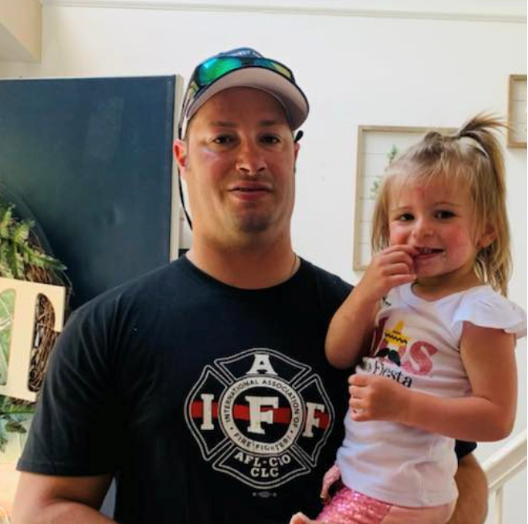
Cobey Taylor
Cobey is a career firefighter with Peninsula Township Fire Department out of Grand Traverse County. He is the founding president of the Northwest Michigan Peer Network where he helps spread the awareness of the stigma with mental health within the first responder community. Cobey is a member of the Michigan Professional Fire Fighter’s Union where he is on the behavioral health committee and is a member of the Michigan Crisis Response Association. Cobey’s main goal is to help Michigan lead the way in the fight against the stigma of first responder mental health, and to reduce the number of first responder suicides.
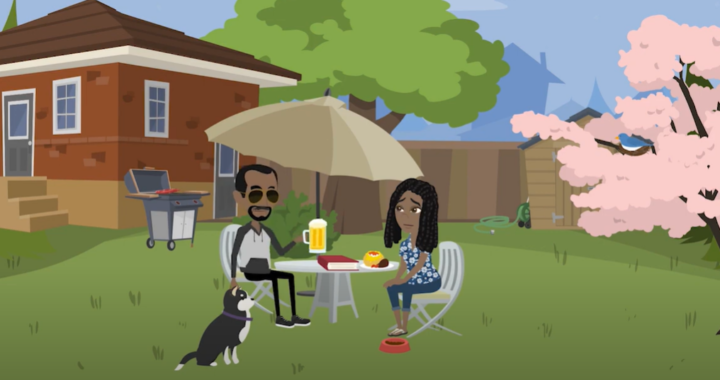
Sharing the Hard Stuff
1st responders struggling to talk about work at home.
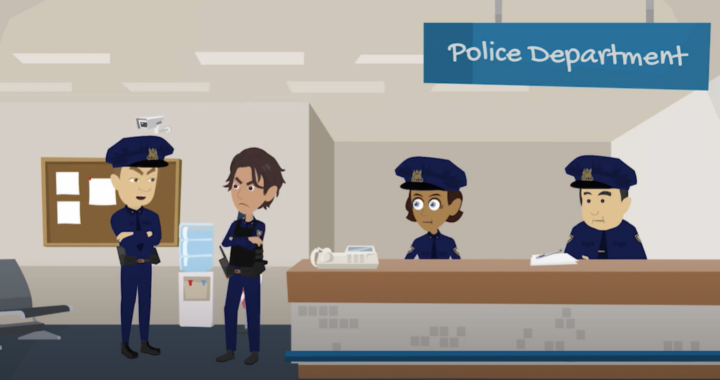
Failure to Comply
Sometimes interactions involve people with challenges that are not visible.
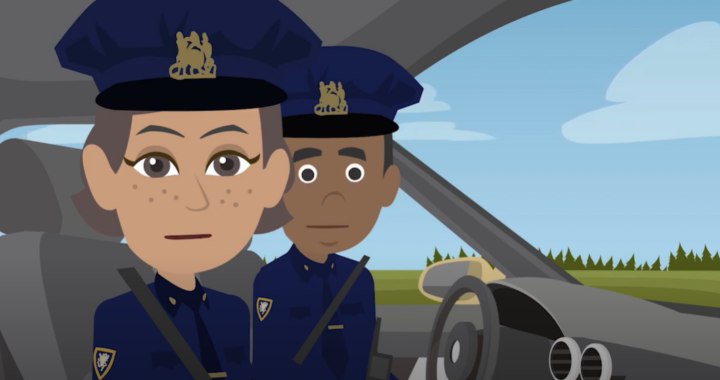
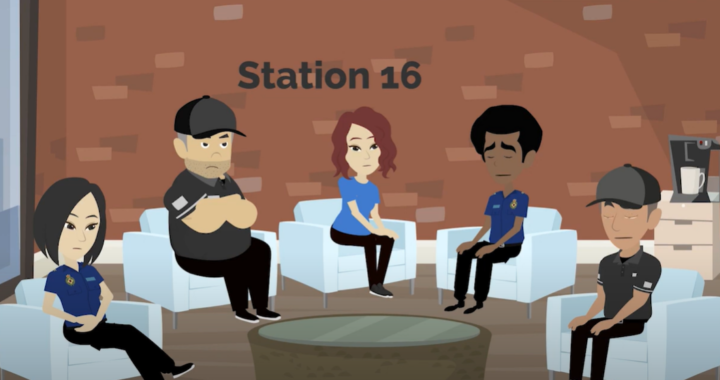
Drunk Driver – Episode 3
The following shows the aftermath of a drunk driving incident.
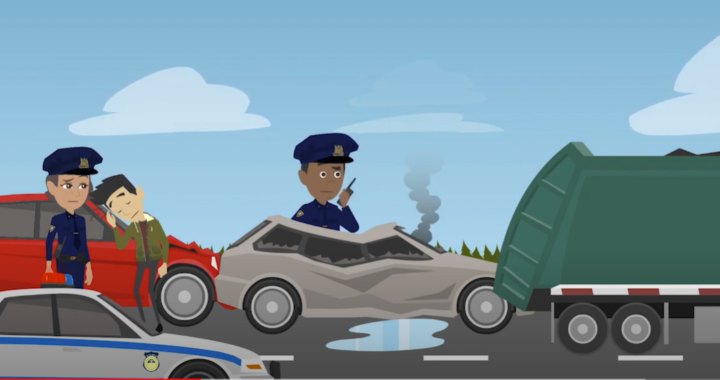
Drunk Driver – Episode 2
The following shows the aftermath of a drunk driving incident.
Drunk Driver – Episode 1
The following shows the aftermath of a drunk driving incident.
Webinar Engagement #5: A First Responder Health Crisis: The Wake-Up Call You Can’t Afford To Ignore
First responders are facing a major health crisis that cannot be ignored. Stress, being overwhelmed, and poor self-care are wreaking havoc on our first responder’s mental & physical health. Join us for a presentation that outlines practical strategies that any first responder can use to fight back.
Participant:
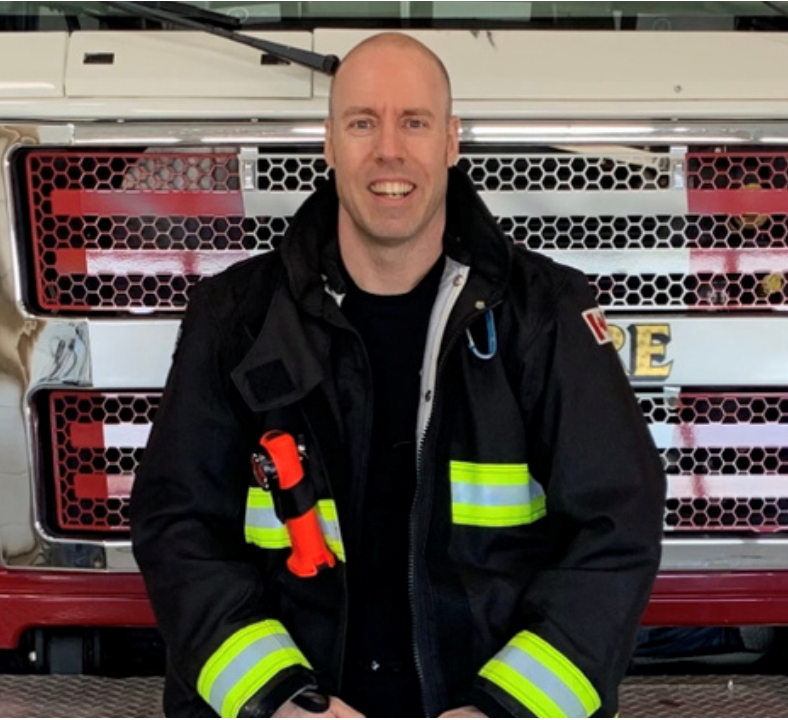
Allan Dignard
With over two decades of experience as a Firefighter/Paramedic, Allan is a dedicated First Responder Wellness Coach and the founder of Third Alarm Coaching Ltd. He works with first responders to develop healthy coping mechanisms and stress management strategies, helping them to maintain a balanced, healthy mindset even in the most challenging situations. Allan’s coaching and support have helped thousands of first responders achieve their wellness goals and make positive changes in their lives.
Webinar Engagement #4: Living by an Ethos
What does it mean, to live by the Army’s Warrior Ethos?
Meet the first Special Operations Forces officer, Nick Lavery, with an above the knee amputation to return to combat. Learn about the pillars that help build and sustain an unshakable spirit.
Join us for a conversation with Nick who will discuss the importance of sacrifice, determination, selflessness service and what the Warrior Mindset is all about. Using specific vignettes and applicable lessons learned through personal experience, years of trial and error, and analysis, Nick will share impactful messages.
Webinar Engagement #3: The Power of Listening
92 minutes. The approximate length of an exchange between two people on the Golden Gate Bridge in 2005, one standing on one side of the railing, another – outside, ready to jump. Kevin Berthia and Kevin Briggs will come together again at this FST5 webinar. Join us for an exhilarating discussion about finding hope, the impact of listening, and learning the power of active human- to-human interaction.
Participants:
Kevin Berthia
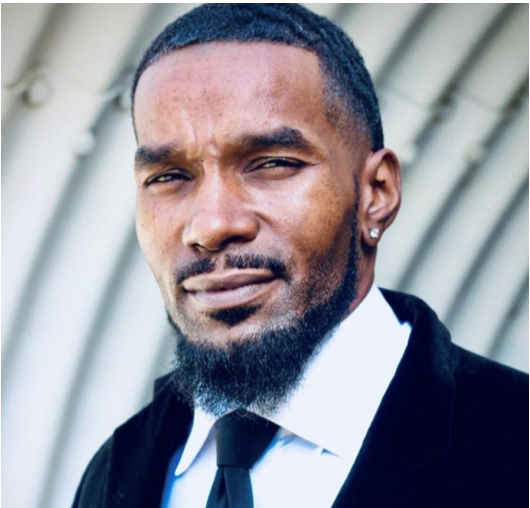
Kevin Berthia is a suicide survivor and prevention advocate. Kevin was born with genetic major depression disorder. In 2005, at the age of 22, Kevin attempted to take his own life by jumping from the Golden Gate Bridge. Eight years after his attempt Kevin was reunited with the officer who talked him back to safety. Since then, Kevin’s story of HOPE has touched a diverse group of audiences all around the world. Kevin has had the opportunity to share his story with several magazine outlets along with local and national news stations. Kevin’s story was also featured on the Steve Harvey Show. The photo of him standing on the chord was front page of the San Francisco Chronicle and placed on the 75 most iconic photos of the 21st Century.
Kevin Briggs
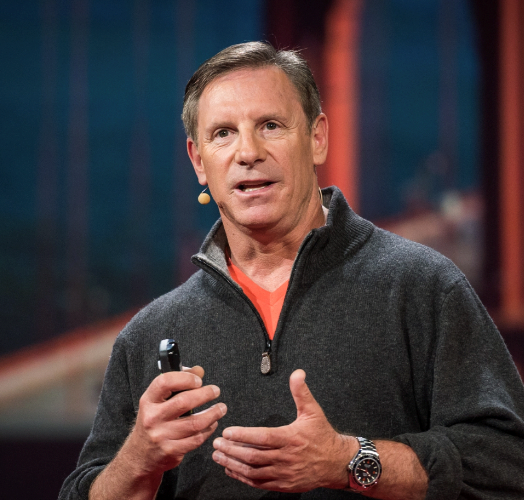
An inspiring mental health and suicide prevention speaker with over 20 years of experience in crisis management and suicide prevention, trained negotiator, mental health advocate, author of the book “Guardian of the Golden Gate”. Kevin Briggs’s TED talk video has been viewed more than 5,2 million times. Briggs, a retired California Highway Patrol Sergeant, spent many years patrolling the Golden Gate Bridge, and encouraged several hundreds of individuals to not end their life. Today he is dedicating his life to promoting mental health awareness across the globe through his organization Pivotal Points.
Moderators:
Cobey Taylor
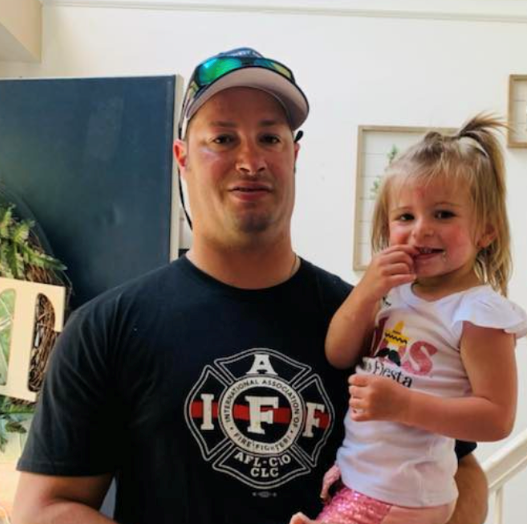
Cobey Taylor is a career firefighter with Peninsula Township Fire Department out of Grand Traverse County. He is the founding president of the Northwest Michigan Peer Network where he helps spread the awareness of the stigma with mental health within the first responder community. Cobey is a member of the Michigan Professional Fire Fighter’s Union where he is on the behavioral health committee and is a member of the Michigan Crisis Response Association. Cobey’s main goal is to help Michigan lead the way in the fight against the stigma of first responder mental health, and to reduce the number of first responder suicides.
Manisha Leary

LMSW, Frontline Strong Together (FST5) Program Manager, Clinical Therapist Wayne Health Psychiatry and Behavioral Neurosciences Services
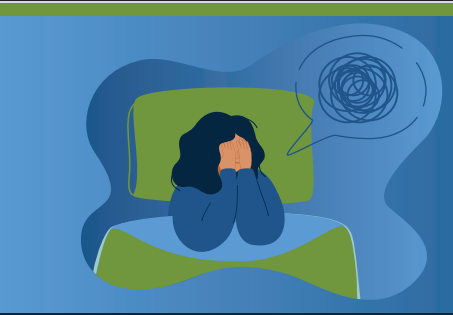
I’m So Stressed Out! Fact Sheet
Is it stress or anxiety?
Life can be stressful—you may feel stressed about performance at school, traumatic events (such as a pandemic, a natural disaster, or an act of violence), or a life change. Everyone feels stress from time to time.
What is stress? Stress is the physical or mental response to an external cause, such as having a lot of homework or having an illness. A stressor may be a one-time or short-term occurrence, or it can happen repeatedly over a long time.
What is anxiety? Anxiety is your body’s reaction to stress and can occur even if there is no current threat.
If that anxiety doesn’t go away and begins to interfere with your life, it could affect your health. You could experience problems with sleeping, or with your immune, digestive, cardiovascular, and reproductive systems. You also may be at higher risk for developing a mental illness such as an anxiety disorder or depression. Read more about anxiety disorders.
So, how do you know when to seek help?
Stress vs. Anxiety
| Stress | Both Stress and Anxiety | Anxiety |
|---|---|---|
| Generally is a response to an external cause, such as taking a big test or arguing with a friend.Goes away once the situation is resolved.Can be positive or negative. For example, it may inspire you to meet a deadline, or it may cause you to lose sleep. | Both stress and anxiety can affect your mind and body. You may experience symptoms such as:Excessive worryUneasinessTensionHeadaches or body painHigh blood pressureLoss of sleep | Generally is internal, meaning it’s your reaction to stress.Usually involves a persistent feeling of apprehension or dread that doesn’t go away, and that interferes with how you live your life.Is constant, even if there is no immediate threat. |
It’s important to manage your stress.
Everyone experiences stress, and sometimes that stress can feel overwhelming. You may be at risk for an anxiety disorder if it feels like you can’t manage the stress and if the symptoms of your stress:
- Interfere with your everyday life.
- Cause you to avoid doing things.
- Seem to be always present.
Coping With Stress and Anxiety
Learning what causes or triggers your stress and what coping techniques work for you can help reduce your anxiety and improve your daily life. It may take trial and error to discover what works best for you. Here are some activities you can try when you start to feel overwhelmed:
- Keep a journal.
- Download an app that provides relaxation exercises (such as deep breathing or visualization) or tips for practicing mindfulness, which is a psychological process of actively paying attention to the present moment.
- Exercise, and make sure you are eating healthy, regular meals.
- Stick to a sleep routine, and make sure you are getting enough sleep.
- Avoid drinking excess caffeine such as soft drinks or coffee.
- Identify and challenge your negative and unhelpful thoughts.
- Reach out to your friends or family members who help you cope in a positive way.
Recognize When You Need More Help
If you are struggling to cope, or the symptoms of your stress or anxiety won’t go away, it may be time to talk to a professional. Psychotherapy (also called talk therapy) and medication are the two main treatments for anxiety, and many people benefit from a combination of the two.
If you are in immediate distress or are thinking about hurting yourself, call or text the 988 Suicide & Crisis Lifeline at 988 or chat at 988lifeline.org.
If you or someone you know has a mental illness, is struggling emotionally, or has concerns about their mental health, there are ways to get help. Read more about getting help.
More Resources
- NIMH: Anxiety Disorders
- NIMH: Caring for Your Mental Health
- NIMH: Child and Adolescent Mental Health
- NIMH: Tips for Talking With a Health Care Provider About Your Mental Health
- Centers for Disease Control and Prevention: Anxiety and Depression in Children
U.S. DEPARTMENT OF HEALTH AND HUMAN SERVICES
National Institutes of Health
NIH Publication No. 20-MH-8125
Webinar Engagement #2: First Responders, Families, and Holidays
With challenges specific to the work environments of First Responders; navigating the Holidays can be hard for both the Responder and their families. Join us, as we talk with First Responder families who continue to learn new ways to manage the challenges of the Holidays together.
Participants:
Steve and Stephanie Faith
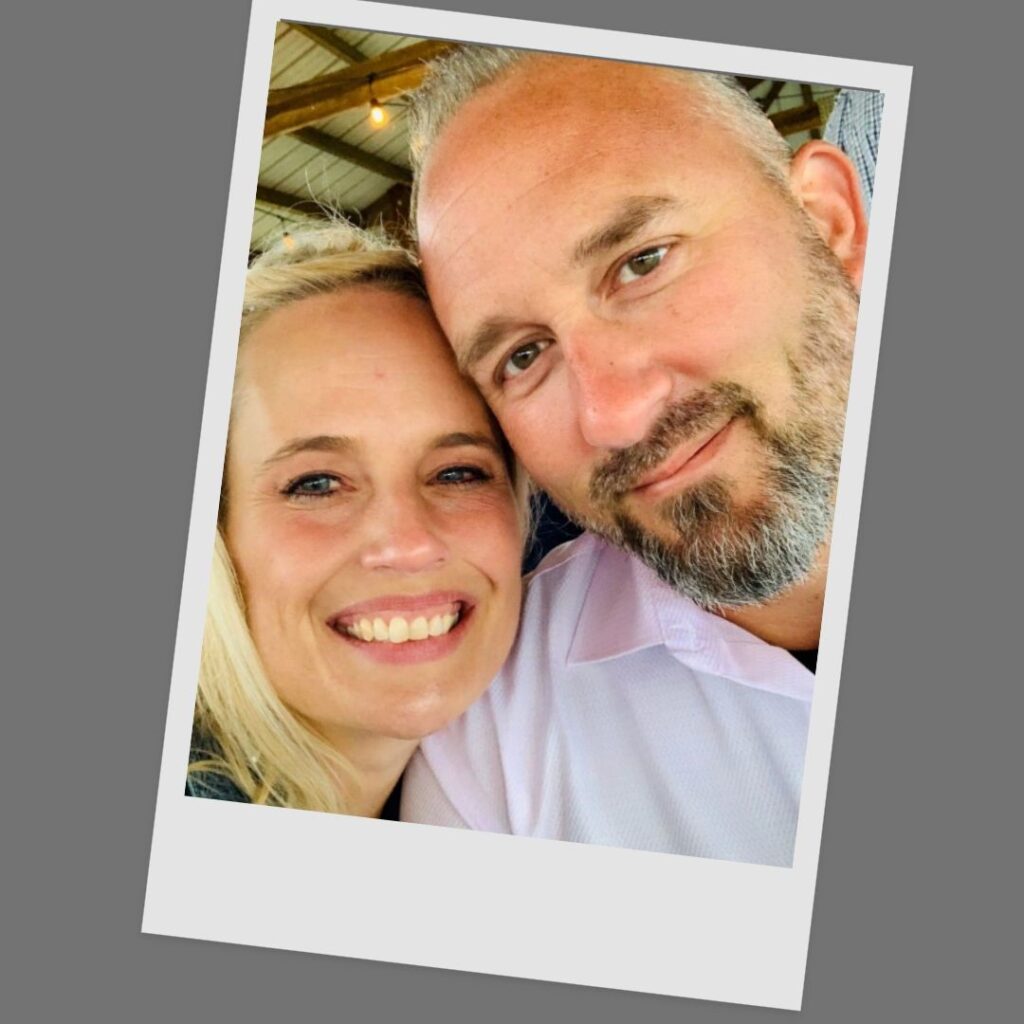
Steve and Stephanie Faith have been married for 25 years with 3 wonderful men. Andy is 23 in the US Air Force, Ryan is 20 with Livonia PD starting the Academy in January and Eric is 17 and a high school senior. Steve retired in December 2021 with 25 years of service.
Mike and Anna Wierenga
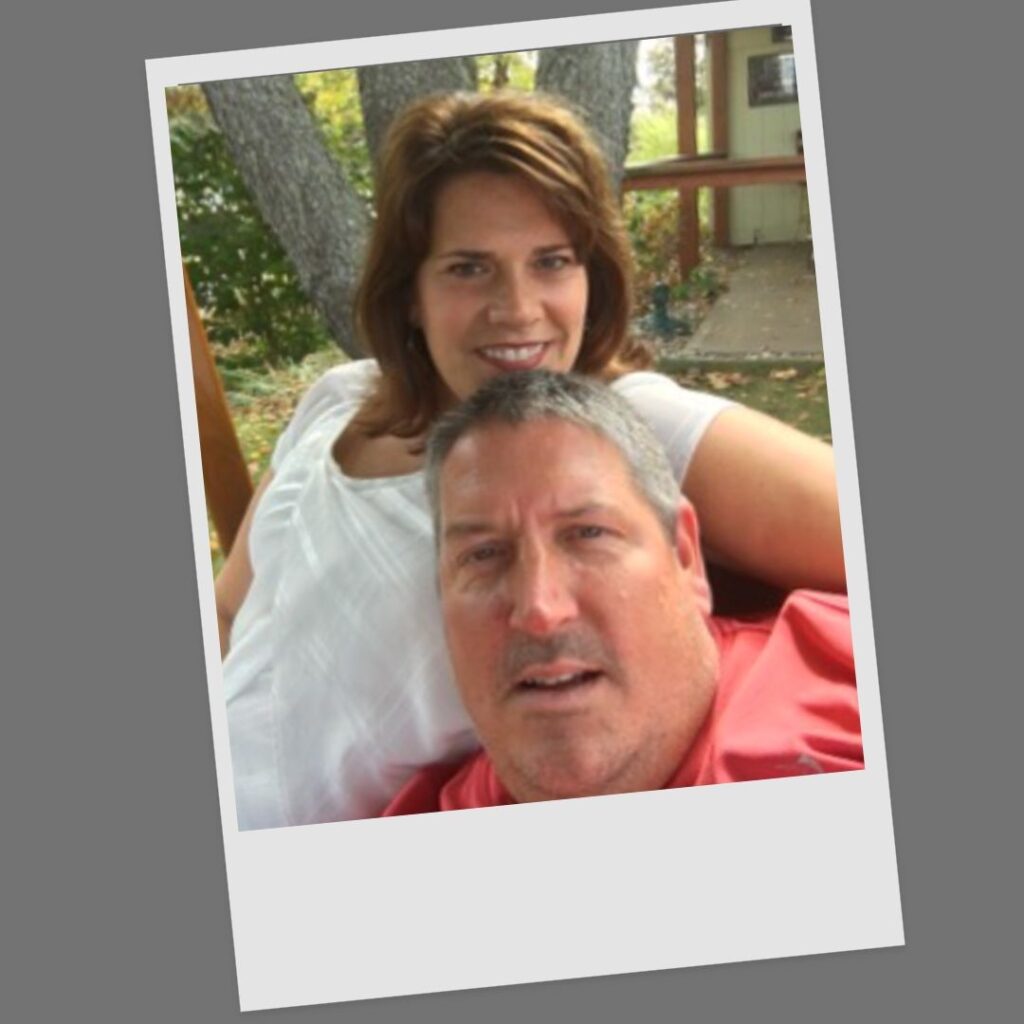
Mike and Anna have been married for 22 years and have 3 amazing kids: Mahala 17 Robert 16 and Little Leah 12. In January Mike will be starting his 31st year as a police officer.
Moderator:
Manisha Leary
LMSW, Frontline Strong Together (FST5) Program Manager, Clinical Therapist Wayne Health Psychiatry and Behavioral Neurosciences Services
Webinar Engagement #1: Coping with Ongoing Work Stress
We are excited to announce the launch of a Free Webinar Series presented by Frontline Strong Together (FST5).
First responders and a mental health professional, discuss challenges of recurring difficult experiences and ways of coping.
Participants:
Steve Faith
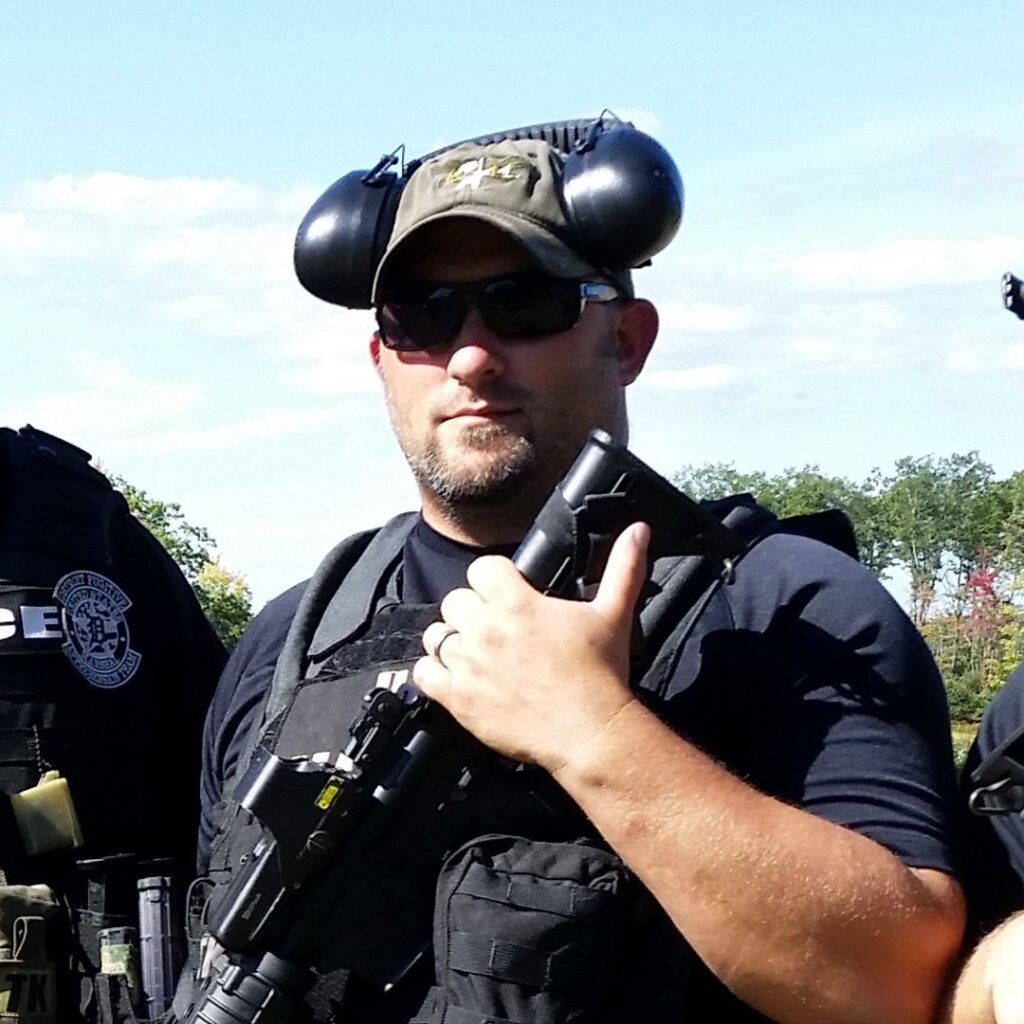
Detroit and Dearborn Sergeant Police Officer (20 years), US Marshal Fugitive Task Force member (5 years), SWAT team member (9 years), Peer support team member since 2020, full time Dad, Husband, and Coach.
Mike Wierenga
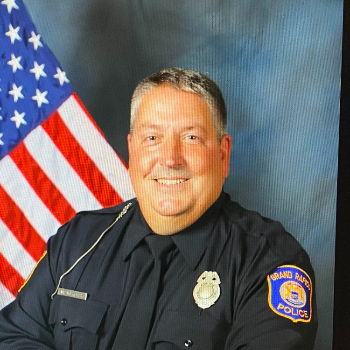
Grand Rapids Police Department Police Officer. Two The Rescue Life Saving Training L.L.C. Co-Owner. 30 years of law enforcement. and 18 years as a firefighter experience, with nearly 6.500 hours of classroom and practical skill instruction on police, fire, and EMS departments as well as colleges, universities, hospitals, and security agencies.
Arash Javanbakht
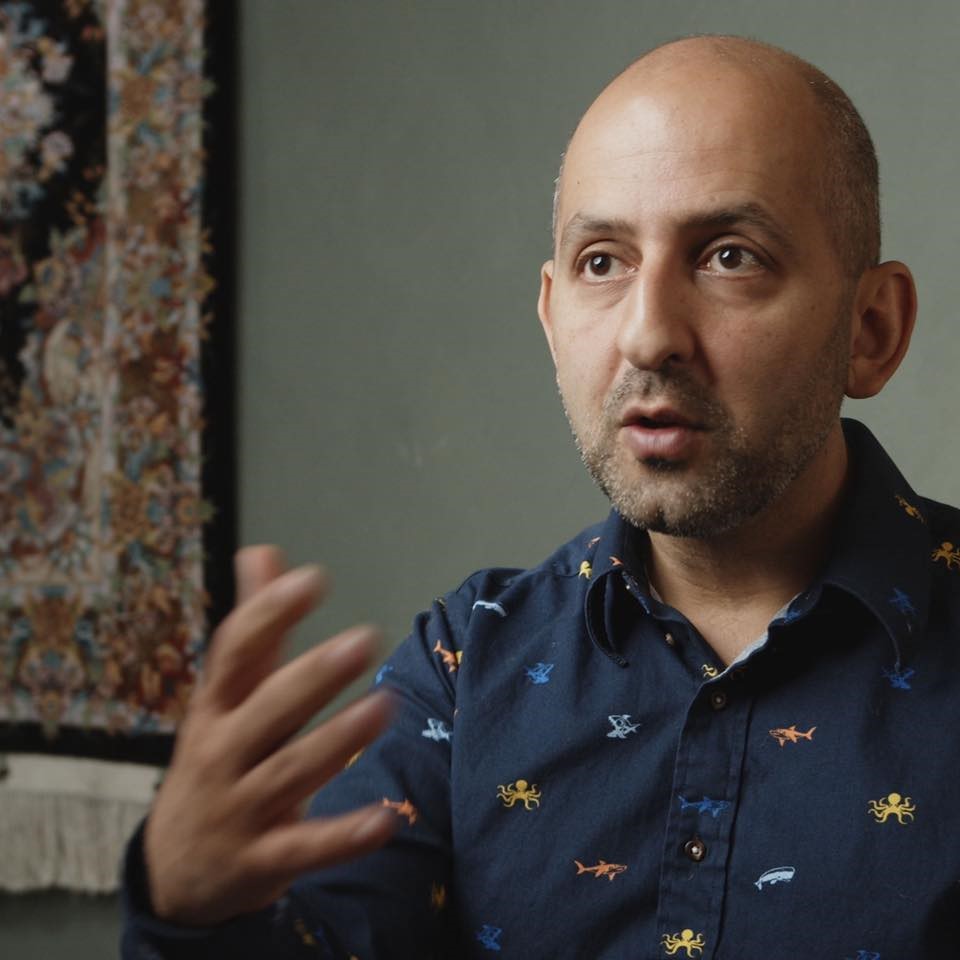
MD. Director of Stress, Trauma, and Anxiety Research Clinic (STARC) Department of Psychiatry and Behavioral Neurosciences, Wayne State University School of Medicine
Moderator:
Manisha Leary
LMSW, Frontline Strong Together (FST5) Program Manager, Clinical Therapist Wayne Health Psychiatry and Behavioral Neurosciences Services

Total Body HOME Workout | Men Over 40
51-year-old Funk Roberts takes you through a total body home workout for men over 40 using your body weight only and little space. This total body workout is perfect for men who are getting back to working out or those who need a workout to help burn fat and get stronger.

Relaxing Music for Stress Relief
Tibetan meditation music, Shamanic music and Zen meditation music assists with stress relief during quarantine, produces positive energy, promotes mindfulness and healing and helps to achieve ultimate Zen. Yellow Brick Cinema’s soothing music can also be used as sleep music as it is calm music that is perfect relaxation music and ambient music. This calm music can be used in a spa as spa music. You can even create your own home spa experience by using our peaceful music as relaxation music and stress relief music. Some people use our Tibetan meditation music to study as this music is perfect ambient music to help you study. Flute music makes ideal study music as it is calming music. Our flute music and Tibetan music can be used as healing music or for yoga, spa, stress relief, mindfulness, sleep or simply to relax and enjoy. Listening to this Tibetan flute music means enjoying the soothing sounds of calming music– the music allows you to relax in the same way as guided meditation. The relaxing music of the flute provides peaceful music with which to switch off, relax and de-stress.
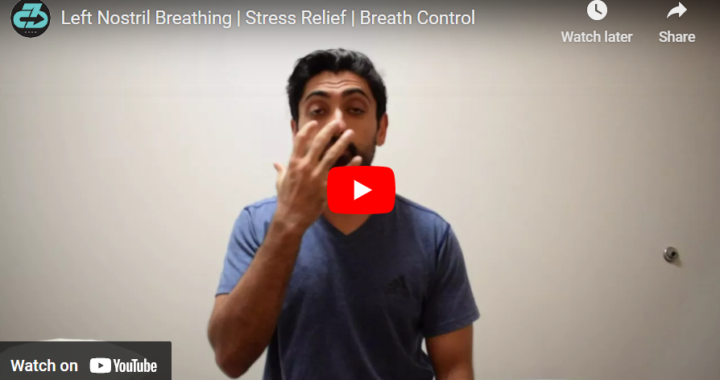
Left Nostril Breathing | Stress Relief | Breath Control
Left nostril breathing is a technique that helps dial down your stress response (sympathetic nervous system) while activating your relaxation response (parasympathetic nervous system). Try this for 10 reps whenever you’re feeling a little stressed out.
Dr. Raj Brar is a Los Angeles based physical therapist specializing in sports injury therapy and correction. Dr. Brar spends most of his time working with runners and other athletes helping to correct a number of issues as well as working on mechanical form correction and strength training as a method for future injury prevention.
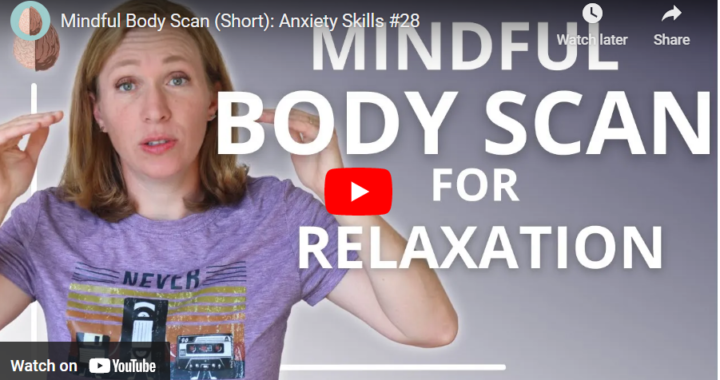
Mindful Body Scan
A body scan is a simple and essential mindfulness skill that can help you connect with the present moment, reduce anxiety and stress, and feel calmer.
The essence of a body scan exercise is to bring your awareness to various parts of your body, to scan your body with your noticing, and to come into contact and acceptance with the sensations in each area of your body.
How to Tell When Your Stress Level is Becoming Harmful
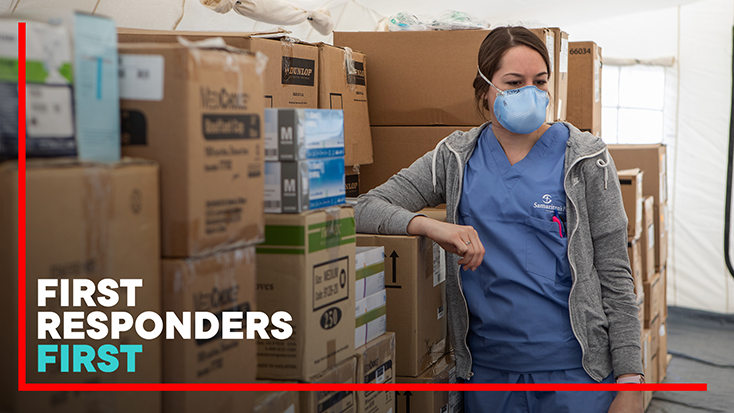
NAMI is partnering with #FirstRespondersFirst to raise awareness about the importance of mental health in frontline health care and public safety professionals. In today’s blog, Alexandra Hayes writes about identifying signs of stress and simple strategies to help reduce stress before burnout takes over.
As a first responder — whether you’re a home health aide, social worker, community health worker, nurse, or physician — you know that stress is a part of the job, and you likely have some strategies to keep yours at bay. But in the face of today’s unprecedented health crisis, your stress levels may reach new heights as you take on the responsibility of helping at the front lines.
When left unmanaged, chronic stress can weaken your immune system, lead to burnout, and rob you of the reason you wanted to do this critical work in the first place. You can’t control a lot when it comes to this virus, like the exposure you have to other people’s suffering, or how many patients you may need to treat with the resources you have, but with the right strategies, you can change how you respond to these distressing situations.
Burnout
What is Burnout?
Burnout is defined as exhaustion and depersonalization, that is when you feel an increased mental distance from your job or are negative/cynical about it. It’s important to know that burnout is a syndrome, not a disease, that causes problems for the person, work team and family. Some common signs include the inability to relax when off duty, irritability, and argumentativeness, and increased social conflicts, like blaming others, or withdrawal.
Alcohol, Tobacco, and Other Drugs
Misusing alcohol, tobacco, and other drugs can have both immediate and long-term health effects.
_______________________________________________________________________
The misuse and abuse of alcohol, tobacco, illicit drugs, and prescription medications affect the health and well-being of millions of Americans. SAMHSA’s 2020 National Survey on Drug Use and Health reports that approximately 19.3 million people aged 18 or older had a substance use disorder in the past year.